Buying Guides
Where Are Recessed Square Displays Best Deployed? Evaluating Suitable Venues and Five Critical Construction Details
Mounting a digital display to a wall typically involves three approaches: surface wall mounting, freestanding floor stands, or recessed flush embedding. While surface brackets and
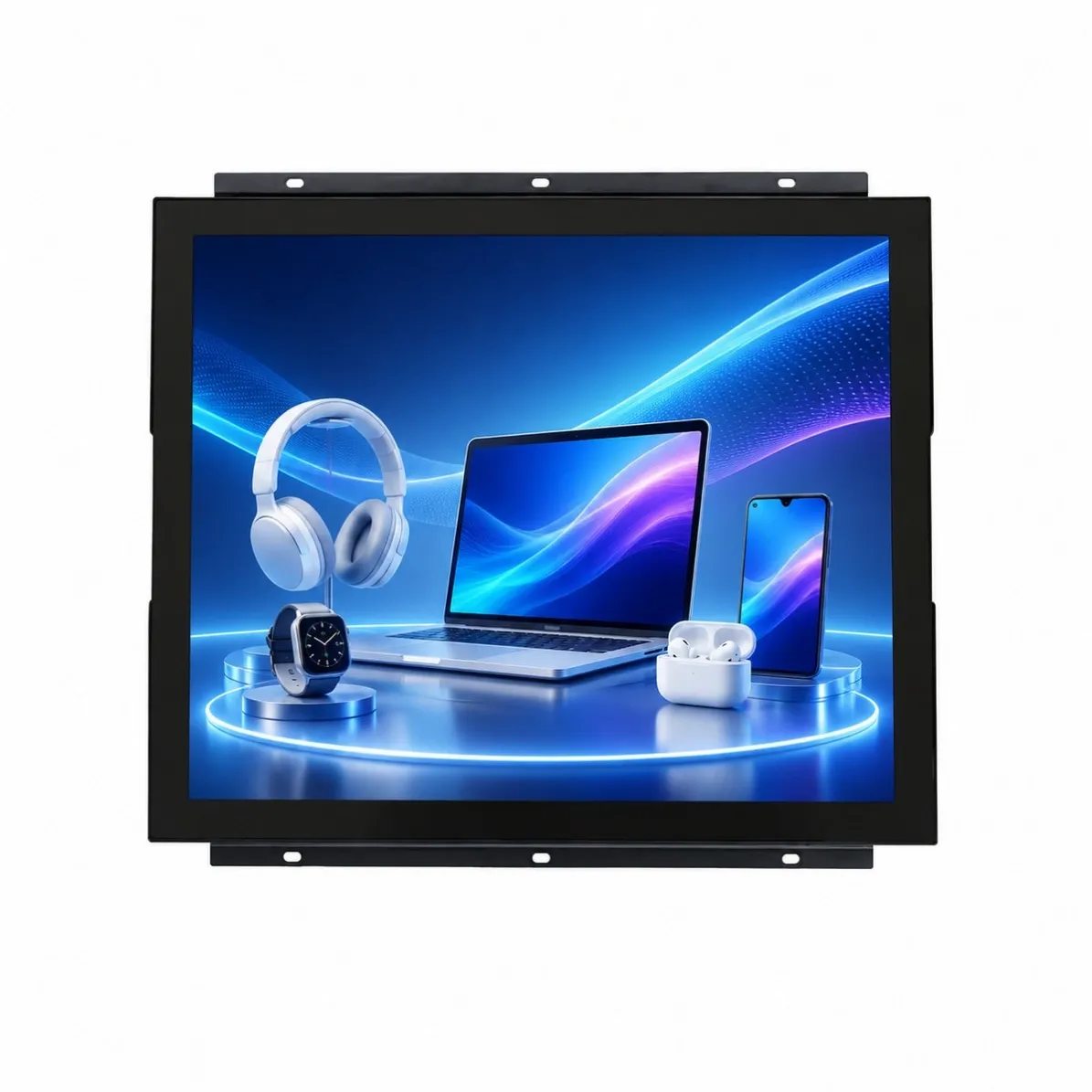
Mounting a digital display to a wall typically involves three approaches: surface wall mounting, freestanding floor stands, or recessed flush embedding. While surface brackets and floor stands are commonplace, recessed mounting consistently delivers striking visual refinement: the screen face aligns flush with the surrounding wall, bezels are minimized, and the display appears as an organic architectural canvas growing out of the surface.
While aesthetically captivating, recessed embedding is the most demanding mounting format. Below is an examination of ideal deployment venues, followed by five critical construction factors that must be planned prior to installation.
Ideal Venues for Recessed Square Displays
Exhibition Halls & Museum Galleries: Exhibition architecture prioritizes seamless visual immersion. Surface-mounted monitors protruding like utilitarian office appliances disrupt ambient gallery aesthetics. Recessing displays into walls or display plinths keeps lines clean, focusing visitor attention on curatorial content. Square proportions naturally flatter archival imagery, charts, and fine-art layouts.
Luxury Hotel Lobbies & Private Executive Clubs: Elevator vestibules, concierge feature walls, and corridor niches demand harmony with interior millwork. Recessed displays integrate flush into stone or wood paneling, delivering digital communication without visual intrusion.
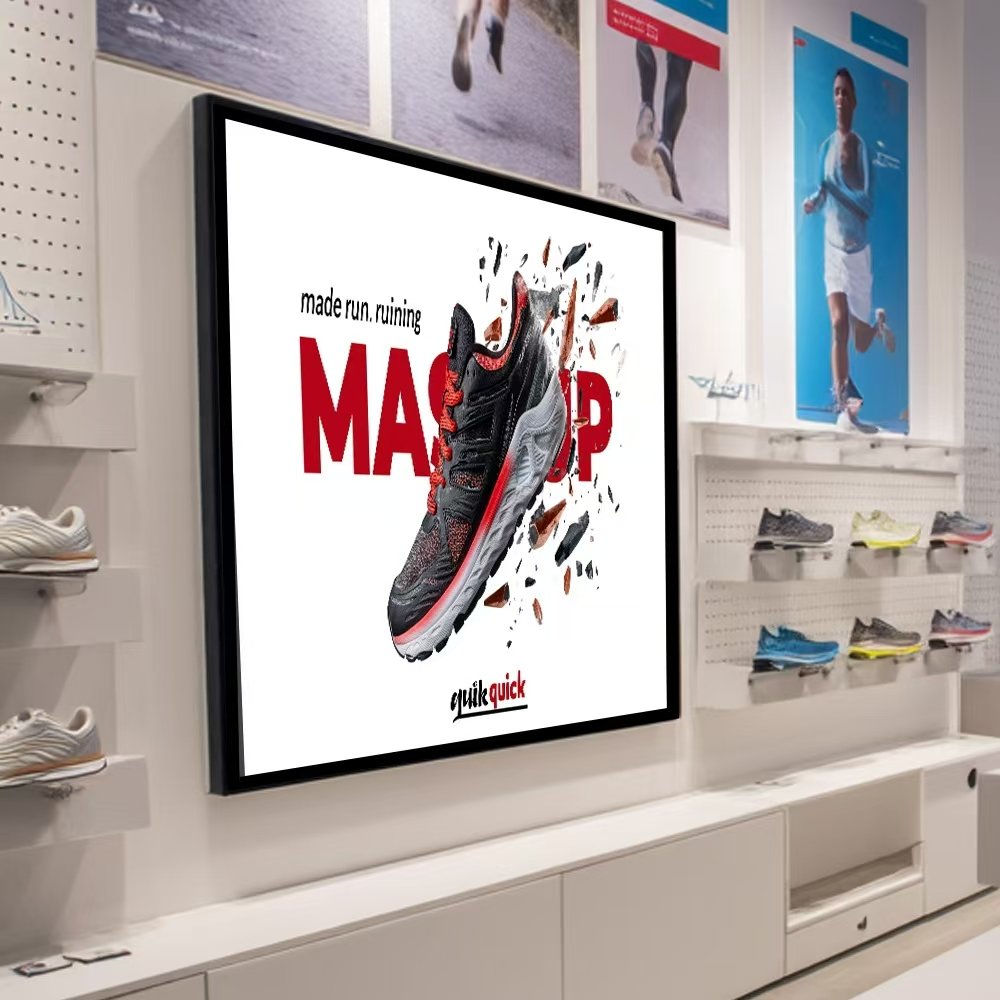
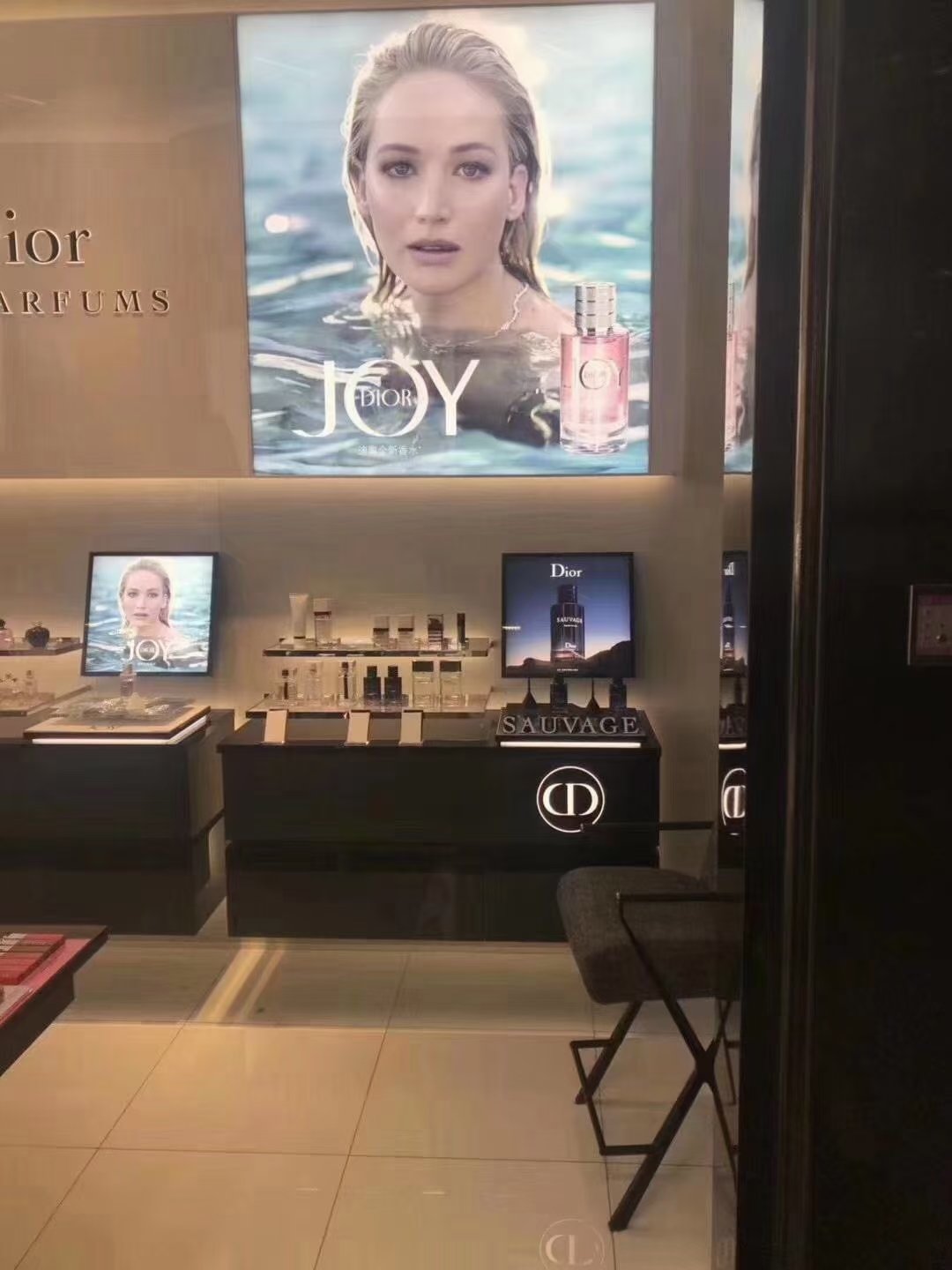
Commercial Flagship Vitrines & Brand Feature Walls: High-end boutiques, flagship retail stores, and luxury cosmetic counters require displays that elevate brand prestige. Embedding square screens flush into cabinetry delivers far greater refinement than surface brackets.
Corporate Briefing Centers & Reception Zones: Executive reception backdrops and conference boardroom entrances maintain structured elegance when displays are recessed, eliminating exposed cabling clutter.
Digital Art Installations & Interactive Exhibits: Creative exhibits often incorporate displays into custom structural sculpures, blending digital video with architectural lighting. Square aspect ratios offer versatile geometric symmetry for such installations.
High-Traffic Corridors Requiring Screen Protection: In crowded public thoroughfares, surface-mounted screen corners risk pedestrian bumps. Recessing displays flush with wall surfaces reduces physical collision risks, though impact-resistant tempered glass remains essential.
Venues Less Suited for Recessed Mounting
Recessed installation is not universally applicable; avoid it under the following conditions:
Incompatible Wall Substrates: Thin partition walls, structural walls containing embedded utility conduits, or primary reinforced load-bearing concrete cannot be casually trenched. Drywall partitions require structural reinforcement evaluated by structural engineers.
Frequently Reconfigured Floor Plans: If exhibition layouts rotate frequently—such as pop-up shops or trade-show booths—freestanding pedestals or mobile carts provide vastly superior agility; recessed walls cannot be easily reconfigured.
Tight Budgets or Compressed Timelines: Recessed mounting requires pre-cut apertures, framing carpentry, and edge detailing, demanding more capital and longer construction lead times than simple surface mounting.
Poor Thermal Ventilation: Hermetically sealing a display inside an unventilated hollow cavity traps heat, causing thermal throttling.
Outdoor or High-Moisture Environments: Indoor commercial displays cannot be recessed directly into exterior walls exposed to driving rain and humidity; outdoor installations require dedicated outdoor-rated enclosures.
Five Critical Pre-Construction Engineering Factors
1. Precision Cutout Dimensions
The foundational step is cutting the architectural aperture. Undersized cutouts prevent insertion; oversized cutouts create unsightly perimeter gaps. Aperture dimensions must strictly follow manufacturer engineering drawings, accounting for display outer dimensions, mounting flanges, and necessary expansion tolerances.
2. Thermal Convection and Ventilation
Displays generate operational heat. When recessed into a wall, the chassis is surrounded by building materials that trap thermal energy. Pre-engineer convective airflow channels or ventilation grilles allowing rising warm air to escape. In tight millwork cabinets, neglecting thermal ventilation causes displays to overheat, throttle brightness, or suffer shortened lifespans.
3. Unobstructed Maintenance and Servicing Channels
Every display eventually requires servicing: optical cleaning, cable checks, firmware updates, or component replacement. If a recessed display can only be serviced by tearing down the surrounding wall, maintenance costs become catastrophic. Pre-engineer servicing access during architectural drafting: specify front-service magnetic bezels, push-release pop-out brackets, or rear access hatches.
4. Pre-Burying Conduit and Cable Routing
Power cables, HDMI leads, and Ethernet drops cannot be easily added after drywall is finished. Pre-bury 50mm PVC conduits inside wall cavities during rough construction, terminating outlets directly behind the display footprint with generous cable slack.
5. Robust Structural Fastening
Recessed displays anchor into internal structural sub-frames. The wall and sub-frame must support the full weight of the display, with fasteners torqued uniformly to prevent sagging or shifting over time. Structural wall modifications must be executed by certified contractors.
Edge Finishing and Aesthetic Detailing
The aesthetic success of recessed mounting depends on perimeter edge finishing. Designers can specify ultra-minimalist flush gaps, subtle shadow-reveal reveals, or decorative metal trim mouldings complemented by architectural accent lighting.
Simultaneously, manage ambient reflections: coordinate ceiling spotlights and exterior window angles to avoid casting harsh glare across the recessed screen face.
How to Choose: Recessed, Wall-Mounted, or Floor-Standing?
Choose Recessed Mounting for the cleanest aesthetic integration in permanent installations where wall construction permits. Choose Surface Wall Mounting for straightforward installation, lower labor costs, and adjustable viewing angles on load-bearing walls. Choose Floor-Standing Pedestals for mobile exhibitions, pop-ups, or spaces where wall drilling is prohibited.
Frequently Asked Questions (FAQ)
Must recessed installation be coordinated during rough interior renovation?
It is strongly recommended. Pre-planning apertures, in-wall conduits, and structural sub-frames during initial construction avoids the expense and mess of cutting into finished walls later.
How are recessed displays repaired if internal components fail?
Pre-engineered servicing mechanisms—such as push-release pop-out brackets or rear access doors—allow technicians to extract the display without damaging the surrounding wall.
Do recessed installations require specialized display hardware?
Displays must feature open-frame chassis or recessed mounting flanges, accompanied by manufacturer engineering drawings specifying ventilation and cutout dimensions.
Can square displays be recessed into hollow drywall partitions?
Hollow partitions require internal structural backing plates or fastening into vertical steel studs; never cut unreinforced drywall without structural engineering review.
Conclusion
Recessed mounting integrates square displays flush into architectural environments, delivering visual refinement ideal for showrooms, luxury hotels, and corporate executive suites. However, its success depends on meticulous pre-construction coordination: precision cutout tolerances, convective thermal dissipation, servicing accessibility, pre-buried conduits, and structural anchoring.
ZXTLCD specializes in commercial-grade LCD displays, spanning square displays and stretched bars, supporting full OEM/ODM dimensional customization. If your project involves recessed installation requirements, share your site dimensions, mounting location, and application scenarios with our team for professional consultation. Official website: www.shelflcd.com
Looking for customized commercial Recessed Square LCD Display & Flush Mount 1:1 Screen solutions, high-definition displays, or Recessed Square Display, Embedded Square LCD Monitor, Flush Mount 1:1 Screen hardware? Feel free to contact the ZXTLCD engineering team for engineering specifications, CAD drawings, and factory-direct volume quotes.
Featured Commercial Hardware: Explore our high-performance 33.1 Inch 943*943 Elevator Art Museum SDK ODM Square Advertising Display and 26 Inch Metal IP55 Wall Mounted Rated Player LCD Square Android Digital Signage engineered specifically for demanding modern digital signage spaces.