Buying Guides
Open-Frame, Embedded, or Enclosed: How to Choose Between Three Square LCD Display Designs?
When selecting a square LCD display, start by reviewing a sectional drawing of the equipment or wall. Can the cabinet support the display and cover its edges? From which side will installers position
When selecting a square LCD display, start by reviewing a sectional drawing of the equipment or wall. Can the cabinet support the display and cover its edges? From which side will installers position the screen? Where will maintenance staff access the cables after installation?
These questions are often more important than appearance when choosing the right display design.
Open-Frame Square Displays: Let the Equipment Enclosure Define the Appearance
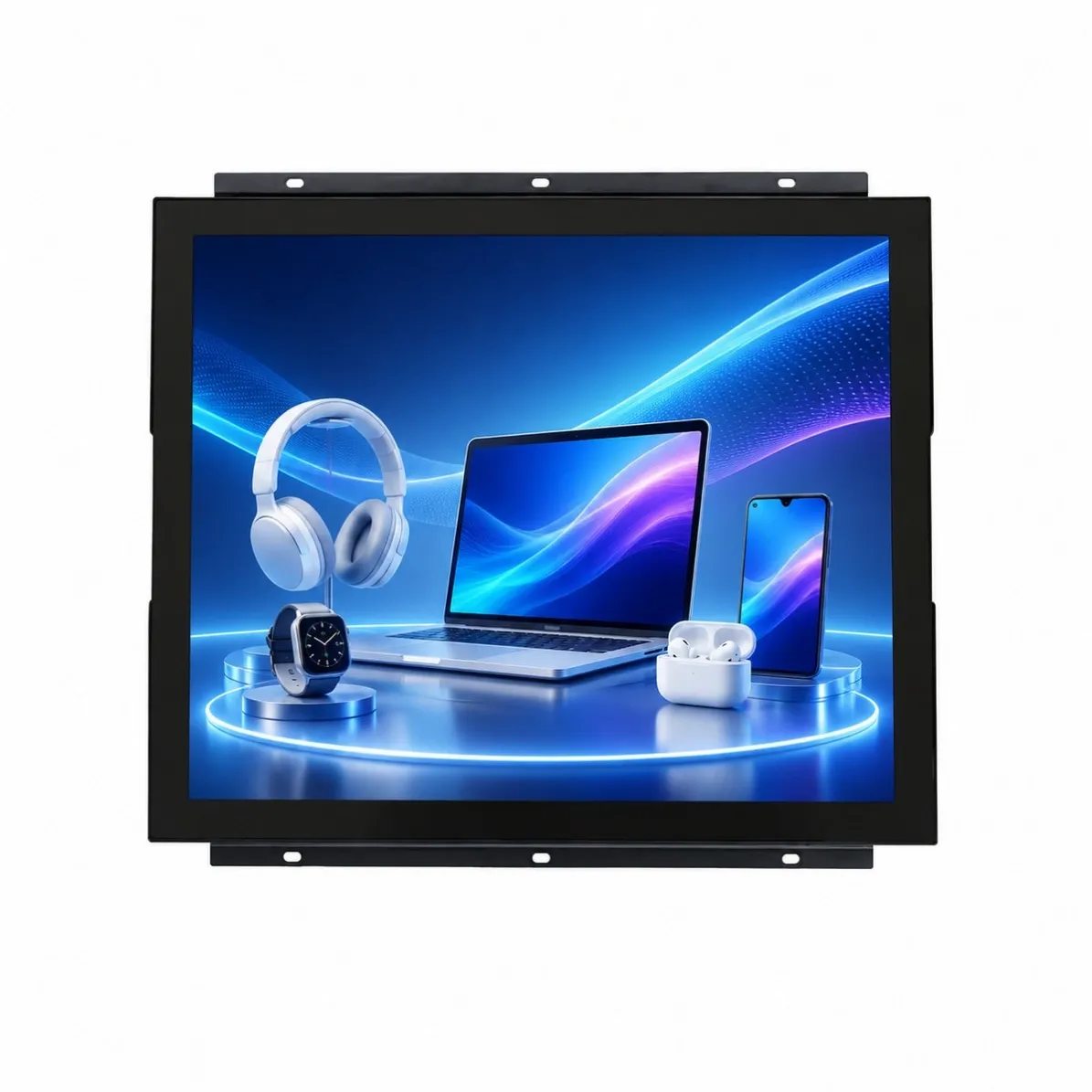
Open-frame square displays are suitable for projects that integrate the display directly into equipment, such as self-service terminals and custom display cabinets.
The equipment enclosure provides the outer finish, while the display module is attached through designated mounting points.
When requesting a quotation, provide a sectional drawing of the cabinet so both parties can confirm the opening dimensions, mounting positions, and bezel coverage.
The term "Open Frame" only describes the structural design. Check the actual delivery scope, including mounting frames, front panels, protective layers, and cables.
If an additional cover panel is required, test the assembly to make sure its edges do not block the active display area.
Embedded Square Displays: Focus on the Opening and Installation Direction
When selecting an embedded square display, the main considerations are how the screen fits into the prepared opening and how its edges are finished after installation.
When requesting a quotation, specify the installation requirements clearly, such as "installed from the front, with the equipment panel covering the edges" or "fixed from the rear, with a decorative bezel already in place."
"Open-frame" describes the display structure, while "embedded" can describe the installation method. An open-frame square display can also be used in an embedded installation.
The clearer the project drawings, the easier it is to determine the appropriate mounting method and product configuration.
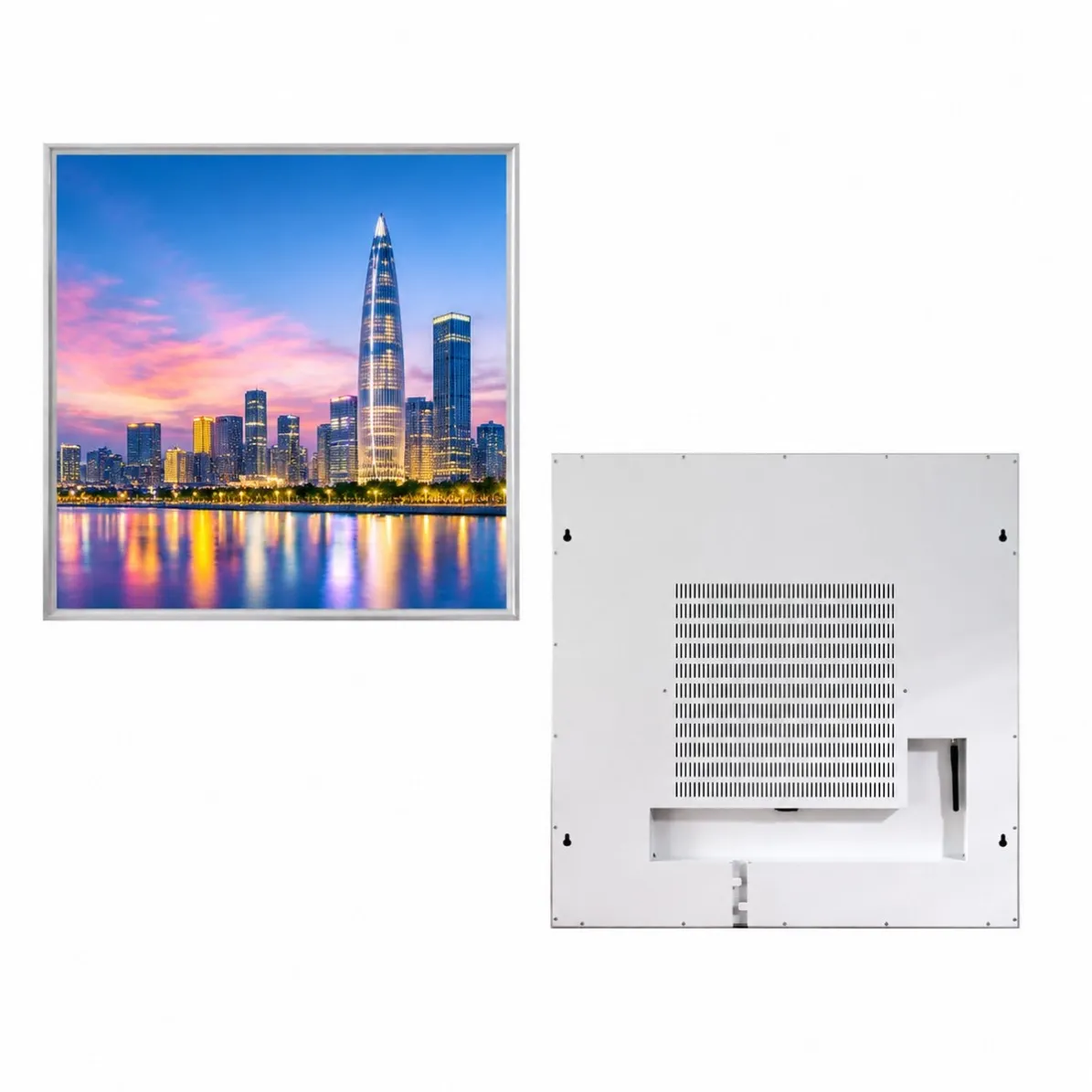
Enclosed Square Displays: Focus on the Overall Unit and On-Site Connections
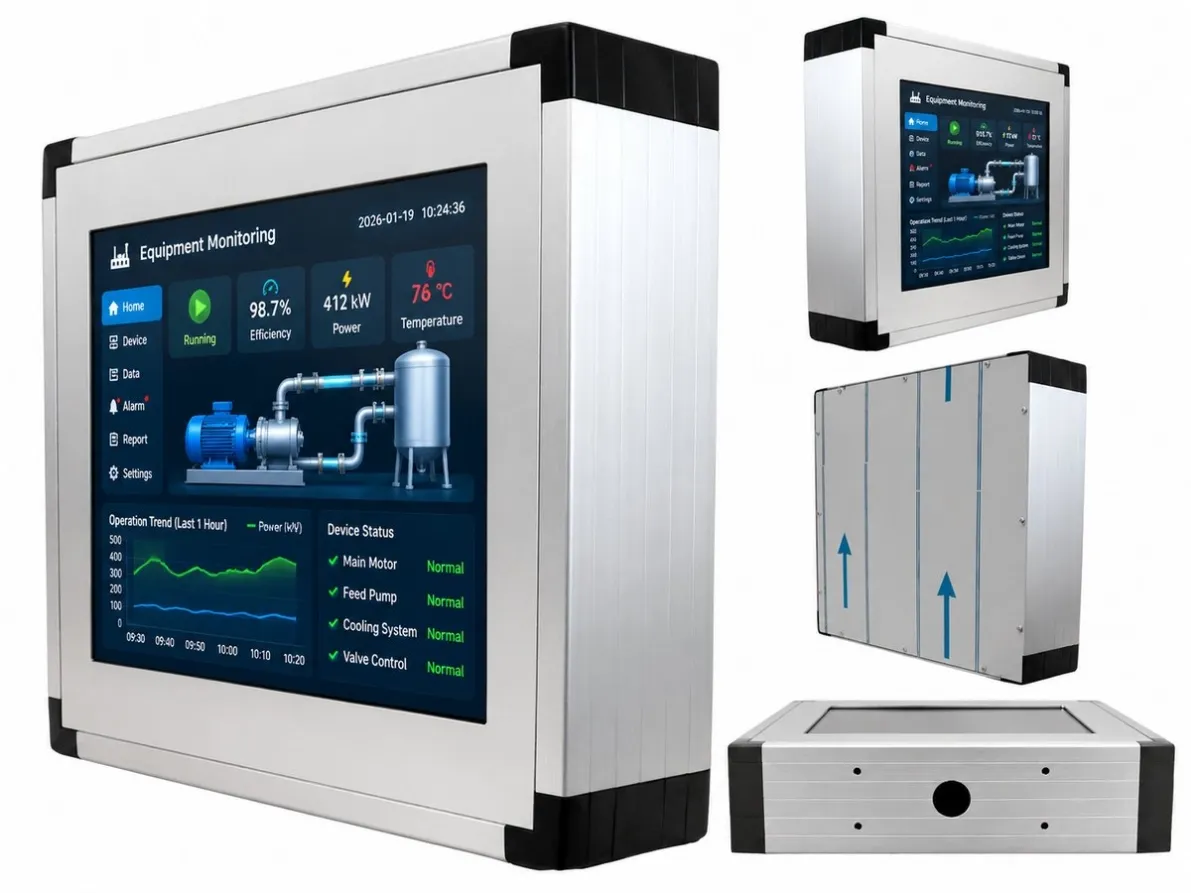
If the front and sides of the square display will remain visible, such as on a standalone display wall or in an exhibition area, an enclosed design may be worth considering.
Check the overall external dimensions, bracket mounting points, connector directions, and the additional depth required when cables are connected.
If the wall opening, decorative edges, or rear cable-routing space is limited, we recommend involving the installation contractor in the drawing review.
When contacting ZXT LCD, provide the opening dimensions, required visible edges, mounting direction, and maintenance access direction. This makes structural evaluation more accurate than providing only the screen's diagonal size.
If you are still comparing different display shapes, see our article: Stretched, Square, or Round: How to Choose Between Three Specialty LCD Display Shapes?