News & Insights
Where Do Square LCD Screens Excel? Key Scenarios Where Square Ratios Outperform 16:9 and Essential Selection Factors
Televisions, desktop monitors, and digital signage displays are overwhelmingly built to widescreen 16:9 aspect ratios. Yet in real-world visual merchandising, many media assets are
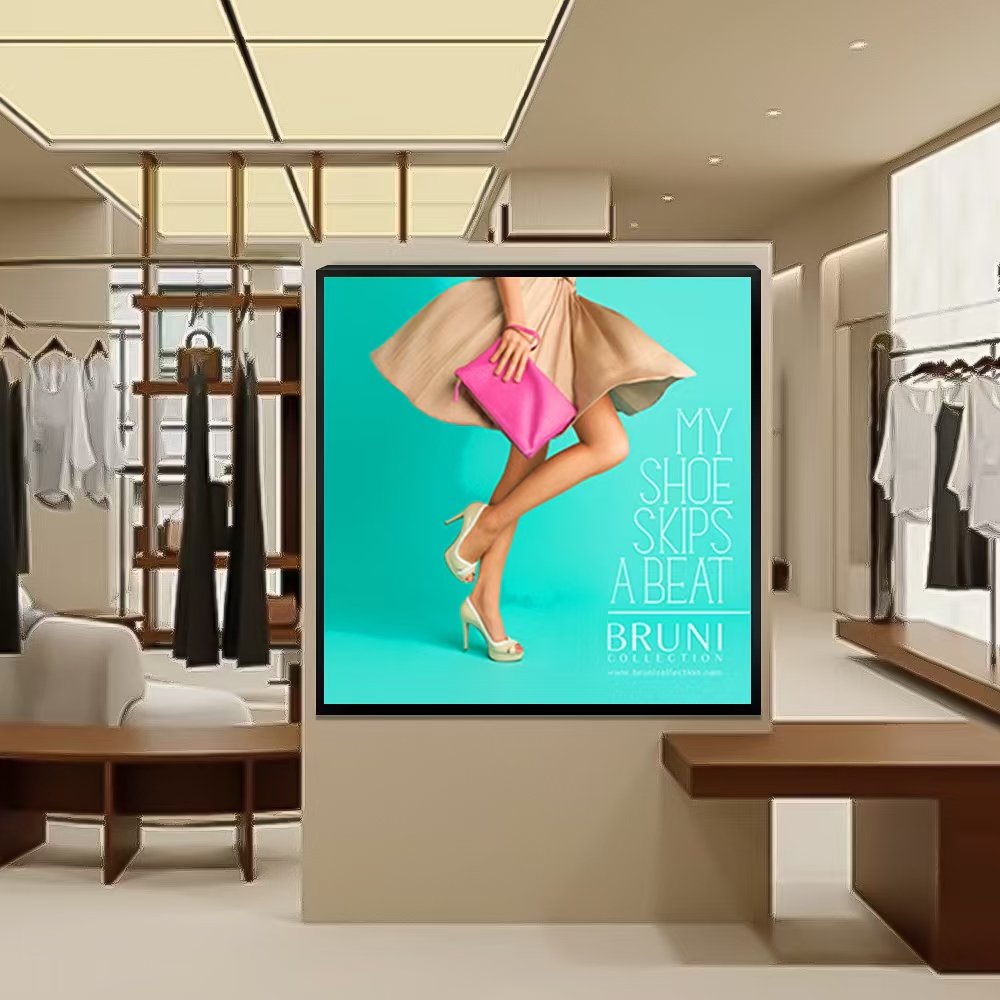
Televisions, desktop monitors, and digital signage displays are overwhelmingly built to widescreen 16:9 aspect ratios. Yet in real-world visual merchandising, many media assets are not widescreen rectangles: promotional poster graphics, vertical restaurant menus, and self-service kiosk interfaces appear awkward when forced onto 16:9 displays—either flanked by wide black pillarbox bars or stretched and distorted.
Square LCD screens—and screens featuring near-square aspect ratios—were engineered specifically for such content and spaces. Below is an exploration of where square screens excel, why they outperform widescreen monitors in specific venues, and essential criteria for model selection.
High-Impact Application Scenarios
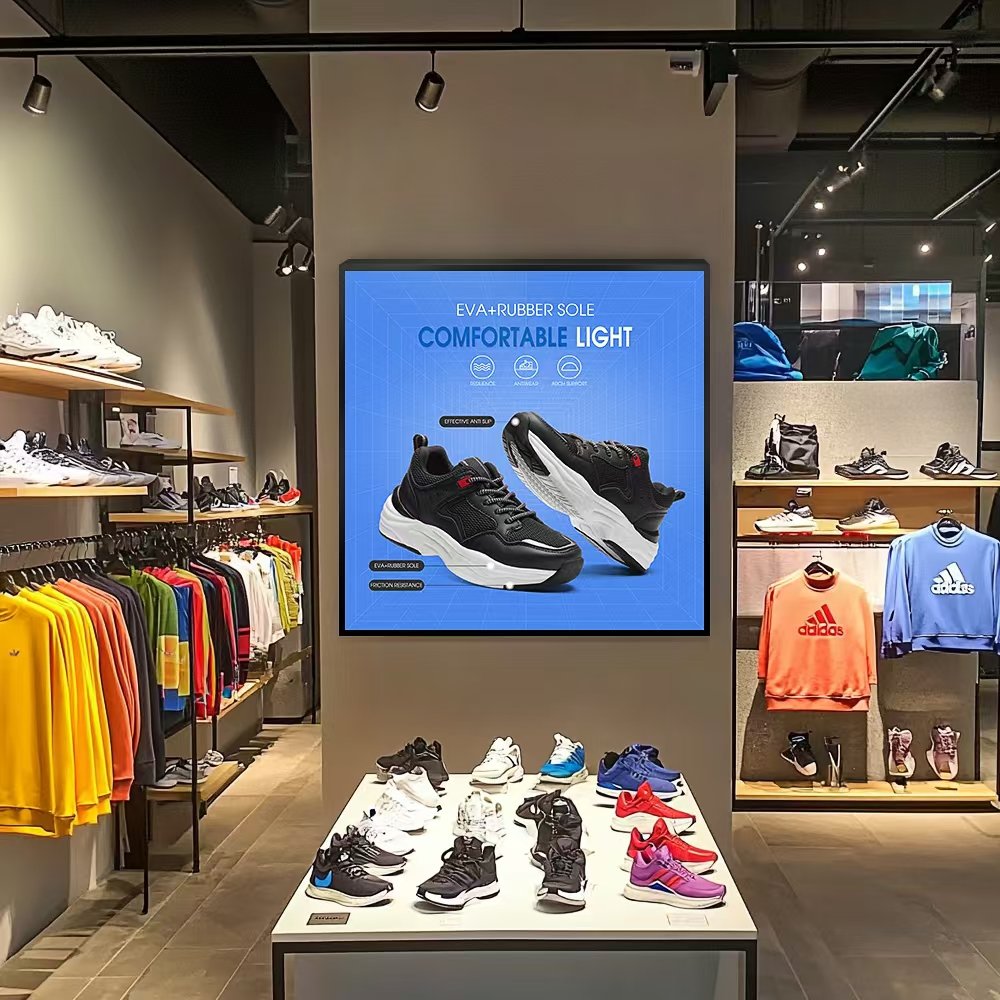
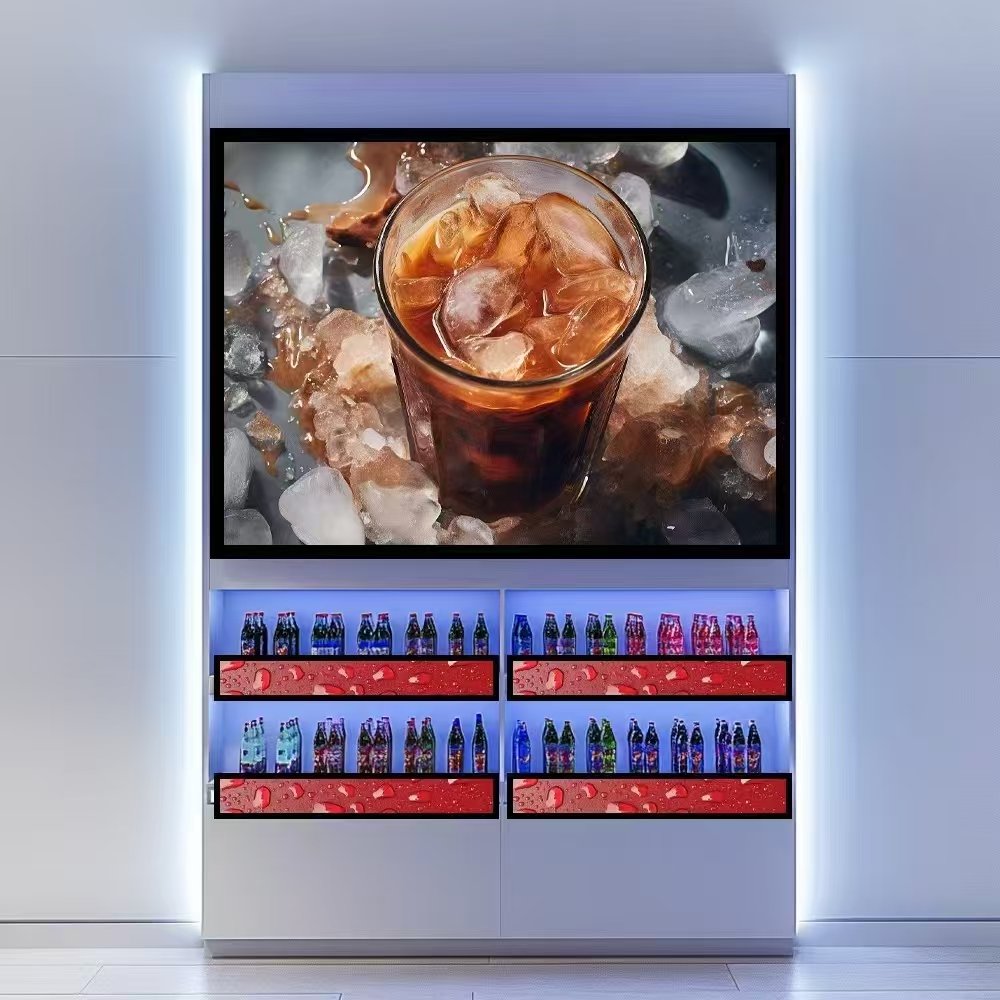
Retail Storefronts & Shopping Centers: Gondola endcaps, checkout counter borders, storefront display windows, and branded feature alcoves frequently offer square spatial footprints. Square displays fill these spaces completely without the awkward empty margins of widescreen monitors, allowing poster-style promotional graphics to fill the canvas.
Self-Service Public Kiosks: Information inquiry terminals, automated ordering kiosks, and directory kiosks operate on user interfaces structured around square or vertical touch buttons. Square aspect ratios match these UI layouts naturally, improving touch ergonomics.
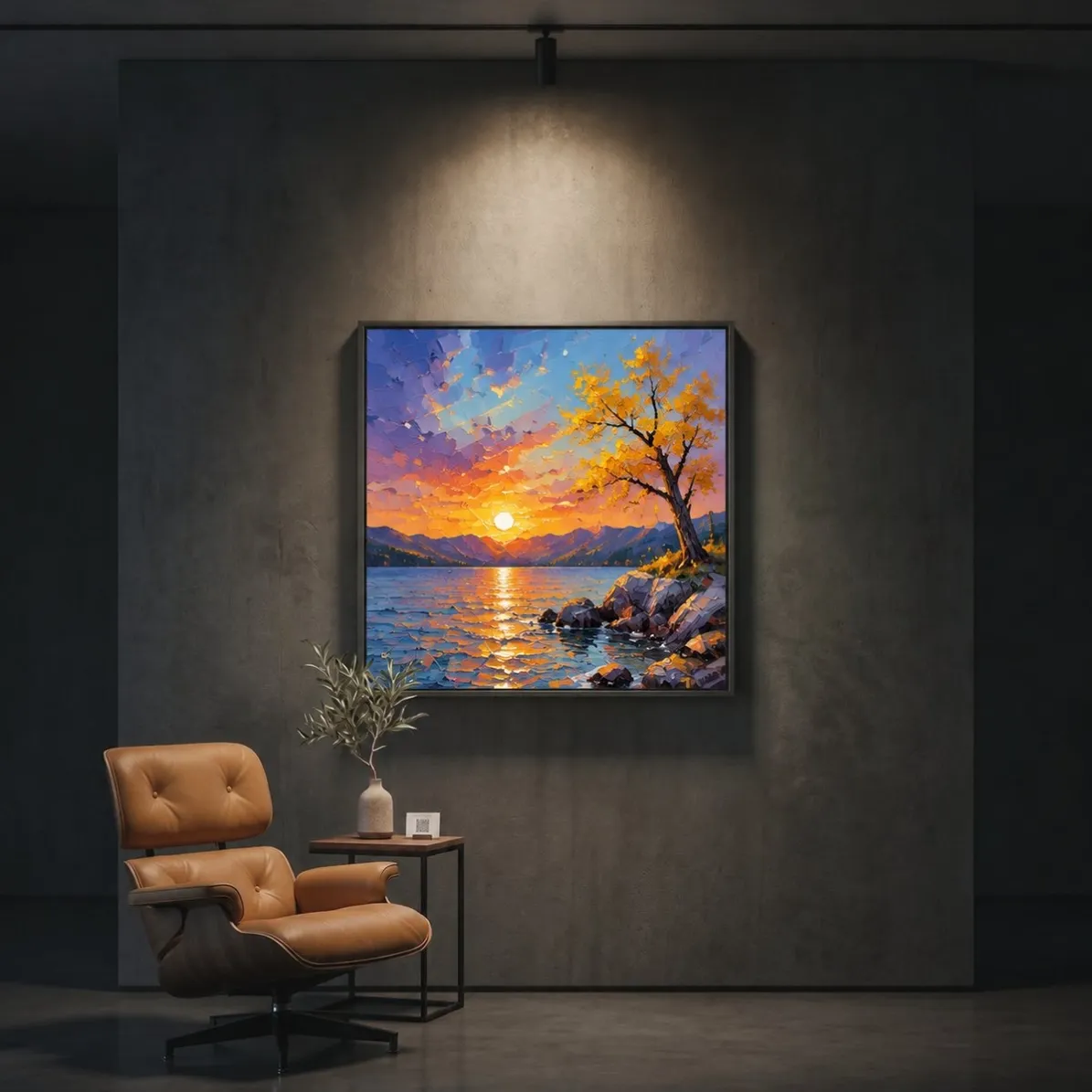
Showrooms & Art Exhibition Galleries: Square displays flatter photography, data infographics, digital artwork, and centered compositions. Mounted on exhibition plinths or gallery walls, they present an artistic 'picture frame' silhouette far more elegant than consumer televisions.
Industrial Automation & Control Consoles: Equipment operator panels, monitoring dashboards, and diagnostic interfaces are often engineered around near-square ratios, utilizing square displays naturally without wasted screen real estate.
Education & Civic Information Terminals: School foyers, corporate boardrooms, and municipal service halls broadcast text directories and infographics with high spatial efficiency on square displays.
Why Square Displays Outperform Widescreen in Specific Venues
Square displays are not inherently 'superior'; they simply operate with far greater efficiency in appropriate environments.
When content aspect ratios match screen geometry, imagery fills the canvas without stretching or black bars. When architectural wall cutouts are square, square screens utilize 100% of the opening rather than leaving awkward margins. Vertical content layouts—such as digital menus, event posters, and flight directories—deliver superior readability on square displays.
Conversely, if your primary media consists of standard horizontal 16:9 video footage or widescreen corporate reels, standard widescreen monitors remain the appropriate choice; never select square screens purely for novelty.
Key Technical Selection Metrics
Aspect Ratio and Physical Dimensions: Square displays feature diverse aspect ratios (e.g., 1:1, 4:3, 5:4, 8:9) rather than strictly equilateral dimensions. Measure available installation width and vertical height before selecting proportions. For example, the 33.3-inch square display featured on our website offers standard and customized aspect ratios tailored to site requirements.
Operating System and Cloud Networking: Select models feature integrated Android or Windows compute engines with HDMI, LAN, and Wi-Fi, pairing with cloud CMS software for remote scheduling and fleet updates; other models operate as pure monitors requiring external PC players. Determine your content updating workflow before selecting compute options.
Interactive Touch Capabilities: Self-service wayfinding and interactive directories demand capacitive touch overlays; passive promotional displays do not require touch, which adds unnecessary cost.
Commercial Duty Cycle Rating: If displays will run continuously, verify commercial-grade ratings supporting 24/7 continuous duty. Our square displays are certified commercial-grade, supporting 24/7 operation according to model specifications.
Optical Panel Performance: Evaluate viewing angles, brightness (nits), and color fidelity under your actual room lighting conditions on physical sample units rather than relying on datasheets alone.
Selecting Mounting Configurations Based on Application
Surface Wall Mounting: The most prevalent method, ideal for load-bearing interior walls, requiring verified wall capacity and reinforcement on lightweight partitions.
Floor Pedestals & Countertop Stands: Ideal for temporary exhibitions, pop-up events, or locations where wall drilling is prohibited.
Recessed (Flush Embedded) Mounting: Screens sit flush within architectural walls, cabinetry, or exhibition pedestals, delivering an ultra-clean aesthetic ideal for luxury boutiques and corporate reception suites. Our square displays offer Open Frame and Embedded options, requiring pre-planned aperture tolerances, convective thermal ventilation, and servicing access.
Ceiling Suspension: Suited for high-ceiling atriums with overhead beams, requiring certified structural load engineering.
Equipment Cabinet Integration: Embedding screens into automated kiosks or industrial machinery consoles, requiring careful coordination of thermal airflow and cabling.
Mounting involves structural safety and electrical distribution, which certified professionals should execute.
Authoring Content Tailored to Square Geometry
Substandard visual performance often stems from creative assets: forcing widescreen 16:9 videos or horizontal banners onto square displays results in stretching or pillarbox margins.
Best Practices: Author creative media directly to the display's native pixel resolution and aspect ratio; keep typography bold and high-contrast, avoiding tiny text; and center focal imagery within the canvas. Across multi-unit estates, utilize cloud digital signage CMS software to schedule and synchronize playlists centrally.
Why Square Screen Pricing Varies
Prospective buyers frequently ask whether square displays cost more than standard monitors. Pricing depends on diagonal size, panel grading, integrated compute engines, touch overlays, custom ratio tooling, order quantities, and warranty SLAs. Standard sizes ordered in volume achieve competitive unit pricing; non-standard ratios and small custom batches carry higher unit costs. Comparing quotes requires evaluating integrated compute, commercial duty ratings, and warranty coverage alongside the raw panel.
Frequently Asked Questions (FAQ)
How should buyers choose between square and widescreen displays?
Align hardware with content and space: select square displays for poster-style graphics, vertical menus, centered artwork, or square architectural openings; select widescreen monitors for horizontal video footage.
Can square displays be custom-engineered to non-standard aspect ratios?
Yes. ZXTLCD supports OEM/ODM custom engineering, evaluating custom ratios against available glass substrates based on site specifications.
Can square displays be managed remotely across multiple store locations?
Yes. Models equipped with Android or Windows and network connectivity pair with cloud CMS platforms for remote scheduling and centralized device management.
What precautions apply to recessed square display installations?
Verify precision cutout dimensions, ensure convective thermal ventilation channels are unobstructed, pre-bury conduits, and establish front- or rear-servicing access.
Conclusion
Square LCD screens were engineered not for novelty, but to harmonize naturally with near-square content and architectural spaces. Clarifying content formats and mounting locations first, then selecting aspect ratios, compute options, and mounting configurations ensures an efficient, high-return deployment.
ZXTLCD specializes in the design and manufacturing of shelf-edge stretched bar displays and specialized custom-format LCD screens, spanning stretched bars, square displays, and round screens, supporting comprehensive OEM/ODM engineering. If your project has square display requirements, share your site dimensions, application scenarios, and unit quantities with our team for prompt consultation. Official website: www.shelflcd.com
Looking for customized commercial Square LCD Screen Applications vs. 16:9 solutions, high-definition displays, or Square LCD Screen Applications, 1:1 vs 16:9 Commercial Monitor, Square Retail Store Signage hardware? Feel free to contact the ZXTLCD engineering team for engineering specifications, CAD drawings, and factory-direct volume quotes.
Featured Commercial Hardware: Explore our high-performance 59.8-Inch Wall-Mounted 1:1 Square LCD Panel Picture Signage WiFi Frame and 33.2 Inch High-End Smart Square LCD Screen Electronic Poster Display engineered specifically for demanding modern digital signage spaces.