News & Insights
Where Can Round LCD Screens Be Used? Real Value and Technical Limitations Across Dining Tables, Picture Frames, Storefront Signage, and Slot Machines
In cafes, restaurants, and cocktail lounges, circular tabletops embedded with round LCD screens can display digital menus, facilitate table-side ordering, and show queue status, wh
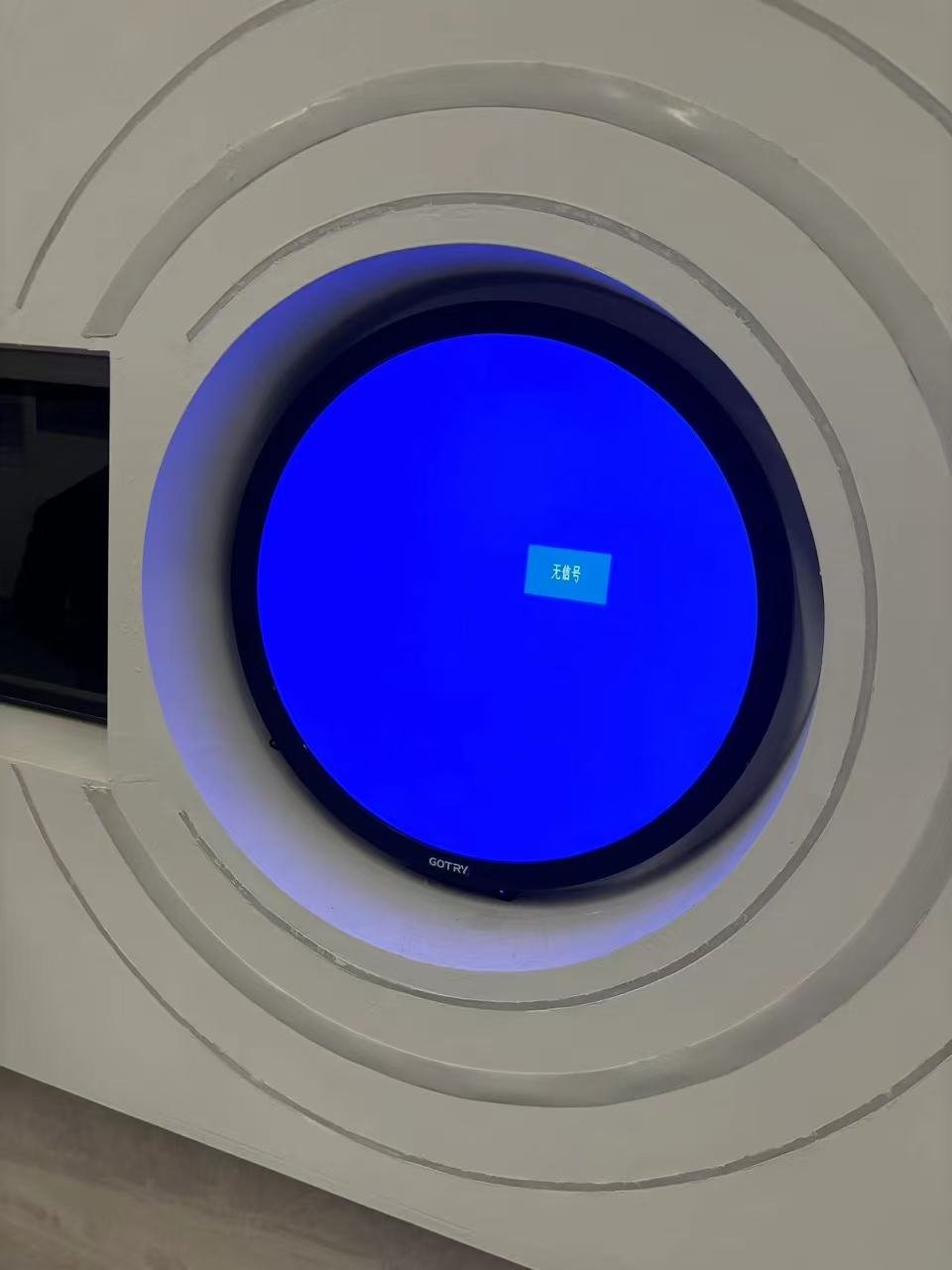
In cafes, restaurants, and cocktail lounges, circular tabletops embedded with round LCD screens can display digital menus, facilitate table-side ordering, and show queue status, while streaming ambient mini-games or brand visuals during meal waits so guests are engaged. The circular geometry harmonizes naturally with round dining tables, eliminating the visual clutter of rectangular tablets.
Key engineering considerations: dining surfaces endure spilled soups, beverage splashes, and hot tableware impacts, requiring tempered surface glass and robust liquid ingress protection; the screen face must withstand physical weight and continuous abrasion; touchscreen responsiveness in humid, greasy conditions must be validated through live testing; and internal convective thermal channels and cabling pathways must be integrated into table pedestals during early furniture drafting.
Such deployments demand rigorous structural durability, representing bespoke integrated furniture engineering rather than off-the-shelf screen mounting.
Scenario 2: Digital Picture Frames
Circular decorative picture frames are classic elements in entry foyers, luxury living rooms, and boutique hotel suites. Replacing static prints with round LCD screens transforms walls into dynamic canvases: cycling landscape photography, fine-art digital illustrations, or holiday themes on demand.
Round screens excel at showcasing photography, artistic motifs, brand identity emblems, or ambient analog clock dials. Positioned in boutique cafes, luxury flagship showrooms, hotel elevator vestibules, and contemporary residential spaces, they instantly become visual centerpieces.
Content design requires discipline: the four corners of standard rectangular media are cropped off; critical visual elements and typography must be centered within the circular safe zone, with assets authored directly to the display's native circular pixel resolution. Furthermore, managing black level contrast and ambient room glare is vital to preserving fine-art aesthetics.

Scenario 3: Storefront Headers and Brand Emblem Signage
Many global brand logos are circular, or incorporate circular design motifs into architectural storefront headers. Utilizing round LCD screens to showcase brand emblems allows logos to come alive with fluid animations and seasonal messaging, capturing pedestrian foot traffic far more dynamically than static acrylic lightboxes.
In this role, the core value of round displays lies in geometric brand harmony and dynamic visual movement. However, storefronts often face outdoor street sidewalks; if deployed outdoors or under semi-outdoor canopies, requirements for luminance (nits), IP ingress weatherproofing, and wide-temperature durability escalate dramatically. Standard indoor commercial round screens cannot be deployed outdoors directly without specialized outdoor-rated enclosures.
Scenario 4: Gaming Terminals and Entertainment Machines
Across gaming machines and arcade amusement terminals, circular displays replace traditional mechanical reels, displaying animated jackpot wheels, theme graphics, and interactive bonus rounds that elevate mechanical luxury and player engagement.
These deployments require deep custom engineering, coordinated between gaming cabinet fabricators and display manufacturers to integrate custom structural brackets, dedicated serial communication protocols, and industrial controllers. Furthermore, gaming hardware is subject to strict regional gaming regulatory certifications that must be verified in advance.
Other Emerging Application Possibilities
Circular dashboard instruments, digital analog clocks, circular control interfaces for high-end appliances, and museum exhibition pedestals are seeing creative adoption. Select applications remain in exploratory prototype phases; deployments should be evaluated against genuine operational utility rather than novelty alone.
The Three True Value Drivers of Round Displays
1. Geometry as an Integral Part of Brand Identity: Circular geometry unifies the display with architectural spaces, corporate logos, and rounded furniture, delivering spatial harmony that square displays cannot match.
2. Captivating Visual Distinction: The unique circular silhouette breaks visual monotony, standing out effortlessly amidst a sea of rectangular commercial screens.
3. Dynamic, Reconfigurable Digital Media: Compared to physical static emblems or acrylic lightboxes, circular screens update media dynamically, adapting to shifting campaigns, seasons, and dayparts.
Real Operational Limitations of Round Displays
Higher Manufacturing Costs: Circular displays require precision laser cutting and specialized edge encapsulation of motherglass panels, resulting in lower glass yield and smaller batch volumes that command higher per-unit pricing than standard rectangles.
Mandatory Bespoke Content Authoring: Standard rectangular media assets cannot be displayed directly without cropping four corners; creative assets must be designed specifically for circular safe zones.
Software Driver and Canvas Adaptation: Display drivers and CMS playback software must support circular canvas mapping to prevent stretched or misaligned rendering.
Selective Scenario Suitability: Round displays excel specifically where geometry adds brand meaning; for general text-heavy information broadcasting, standard rectangular displays remain far more economical.
Environmental Demands: Tabletop kiosks require impact and liquid spill protection, storefronts demand weatherproofing, and embedded kiosks require thermal dissipation, requiring careful site evaluation.
Pre-Procurement Checklist
Clarify: Deployment environment (indoor vs. semi-outdoor, impact risks, liquid exposure); physical diameter and active viewing area; content format (static emblems, animations, or interactive touch); operating system and remote CMS networking requirements; unit quantities and capital budget; and after-sales warranty SLAs, particularly for custom tooling projects.
Communicating these operational requirements clearly ensures suppliers deliver an engineered solution that performs reliably.
Frequently Asked Questions (FAQ)
How should buyers choose between round and square displays?
Evaluate whether geometry adds authentic meaning. If the brand logo, furniture, or architectural niche is circular, round displays provide visual harmony; for general information display, square or widescreen displays are more cost-effective.
Do round LCD displays support interactive touch?
Yes, capacitive touch overlays are available depending on model specifications; however, touch performance in greasy or wet tabletop environments requires on-site testing.
Can commercial round screens be installed outdoors?
Standard commercial round displays are designed for indoor spaces; outdoor deployments require specialized all-weather engineering and certified IP ratings.
Why do round LCD displays carry a pricing premium?
Specialized circular cutting and edge sealing, lower glass yield, low-volume production runs, and custom driver adaptations contribute to higher unit costs.
Conclusion
The authentic commercial value of round LCD displays lies not in novelty, but in utilizing circular geometry to achieve harmony with brand identity, architectural contours, and specialized equipment. Clarifying installation placement, creative content formatting, and environmental demands ensures your investment delivers lasting visual distinction.
ZXTLCD specializes in the design and manufacturing of shelf-edge stretched bar displays and specialized custom-format LCD screens, spanning stretched bars, square displays, and round screens, supporting comprehensive OEM/ODM engineering. If your project has specialized display geometry requirements, share your deployment scenario, dimensions, and quantities with our team for prompt consultation. Official website: www.shelflcd.com
Looking for customized commercial Round LCD Screen & Circular Display Monitor solutions, high-definition displays, or Round LCD Screen, Circular Display Monitor, Round Touch Screen Kiosk hardware? Feel free to contact the ZXTLCD engineering team for engineering specifications, CAD drawings, and factory-direct volume quotes.
Featured Commercial Hardware: Explore our high-performance 23.6 Inch Custom Circular TV PCAP Touch Round LCD Display Module and Round Lcd Screen Wholesale 23.6 Inch Circle Ips Digital Signage engineered specifically for demanding modern digital signage spaces.