Buying Guides
Stretched Bar LCD Display Selection Guide: How to Choose the Right Ultra-Wide LCD Screen
Driven by smart new retail, industrial automation, and digitized public spaces, stretched bar LCD displays are rapidly gaining adoption across supermarket shelving, rail transit co
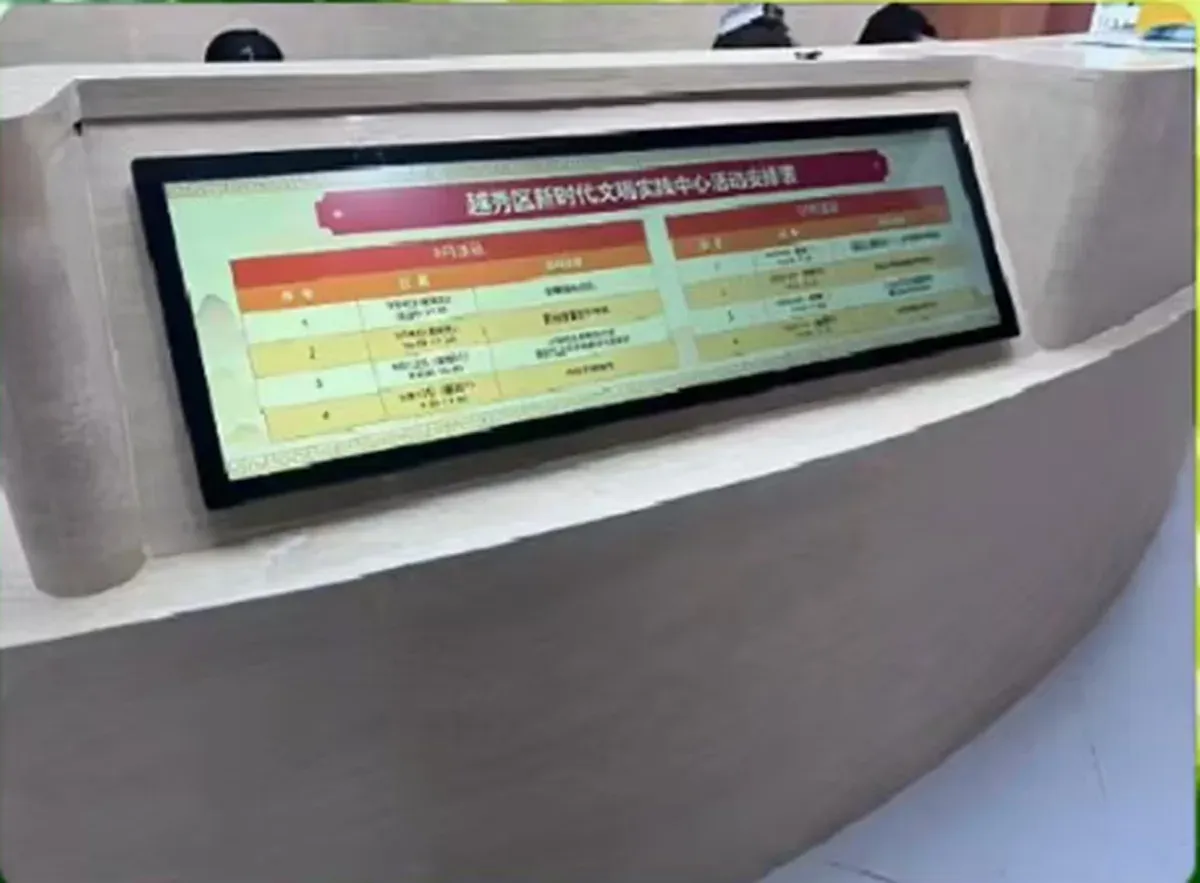
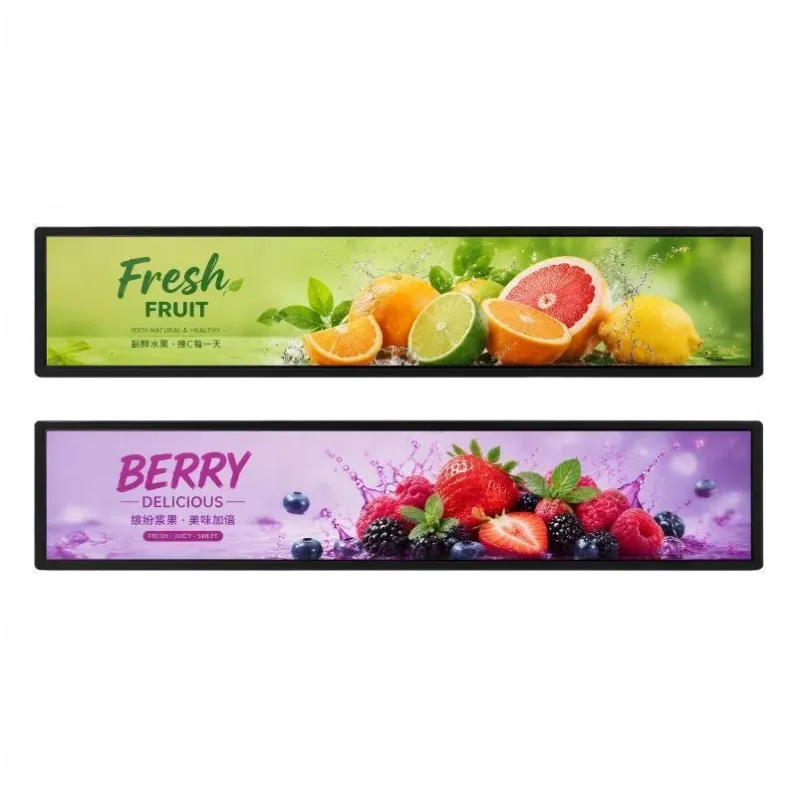
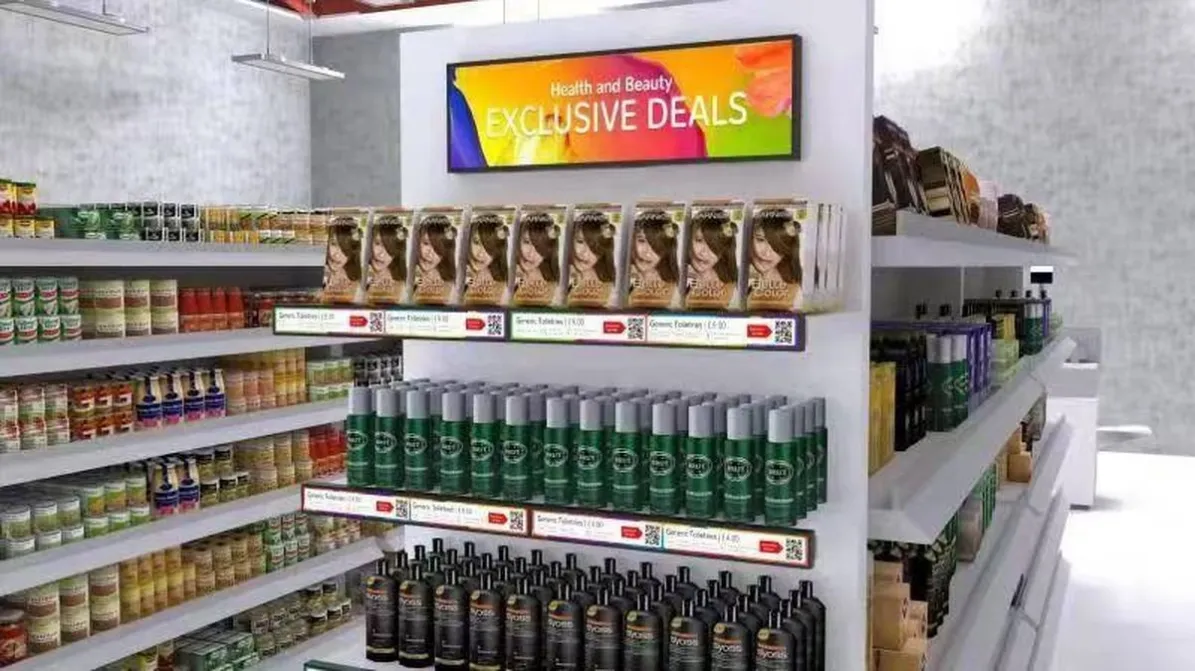
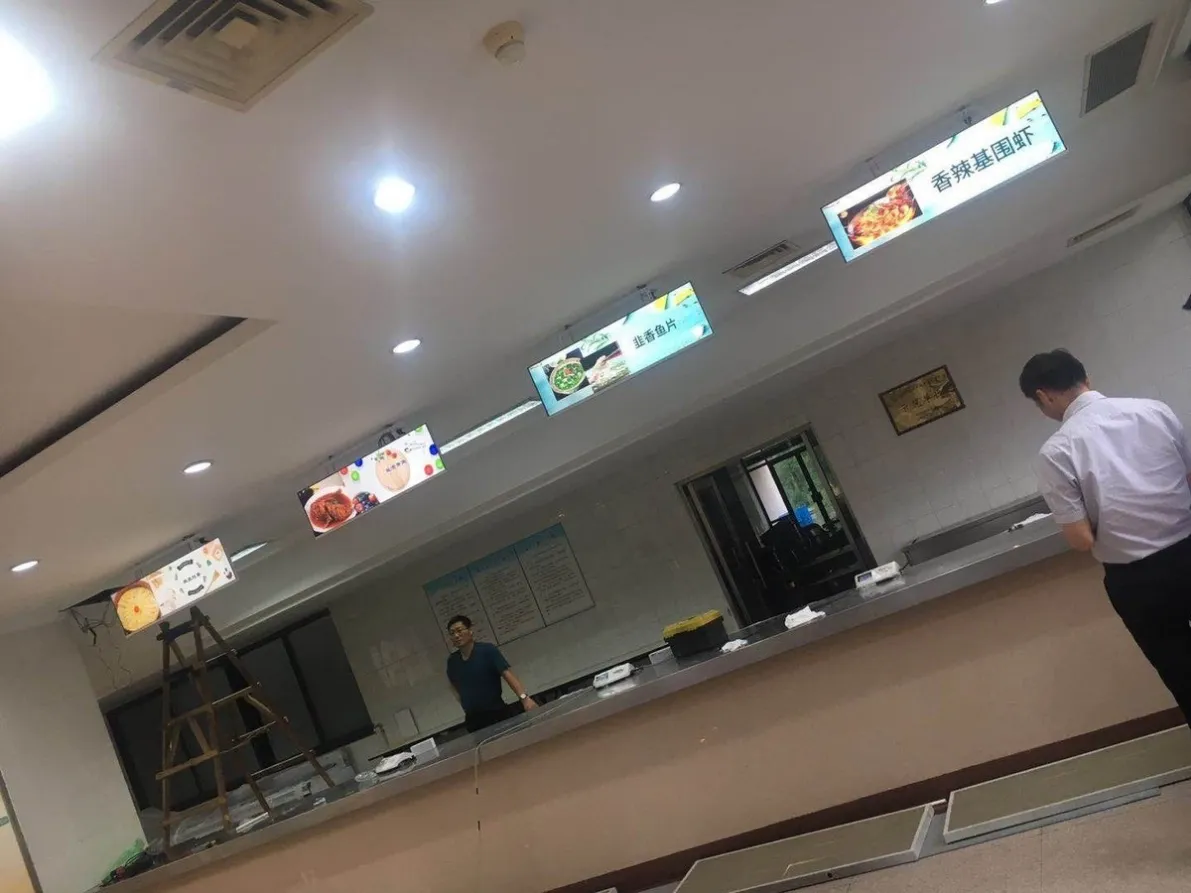
Driven by smart new retail, industrial automation, and digitized public spaces, stretched bar LCD displays are rapidly gaining adoption across supermarket shelving, rail transit corridors, elevator vestibules, industrial control equipment, and commercial showcases. Unlike conventional 16:9 widescreen monitors, stretched bar displays feature non-standard ultra-wide aspect ratios engineered to fit seamlessly into narrow spatial contours, integrating display zones cleanly into architectural fixtures.
When selecting a stretched bar display, the foremost priority is evaluating physical dimensions and aspect ratios. Diagonal inch figures merely measure corner-to-corner span and fail to reflect true outer length and vertical height. Two stretched screens sharing identical diagonal inch ratings can exhibit vastly different aspect ratios and physical dimensions. Therefore, prior to procurement, measure exact physical installation clearances, checking chassis thickness, VESA bolt patterns, and cable routing clearances to eliminate post-delivery mounting conflicts.
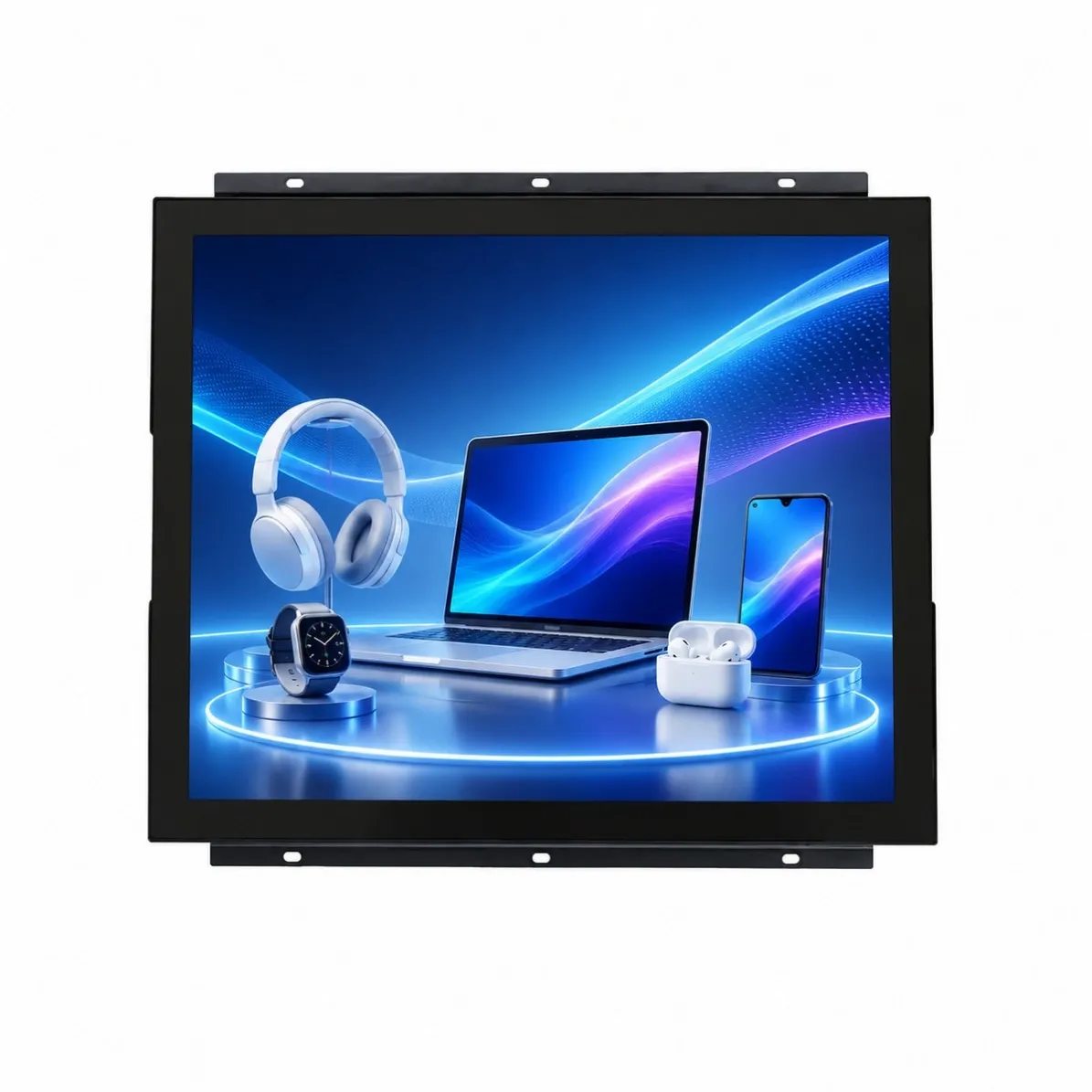
Second, scrutinize native resolution, luminance (brightness), and I/O interfaces. Resolution dictates optical detail; when displaying sharp typography, fine pricing digits, or intricate product imagery, specify native panel resolutions matched to content layouts. Luminance must harmonize with ambient lighting—standard indoor retail spaces and sunlit showcase windows impose vastly different brightness demands, and maximum brightness is not universally superior. Regarding signal interfaces, embedded display modules utilize LVDS, eDP, or MIPI interfaces featuring distinct pinouts, voltages, and timing protocols; verify absolute compatibility between the LCD panel and controller motherboard.
Beyond optical metrics, evaluate physical operating environments rigorously. Industrial consoles and public transit displays prioritize wide operating temperature thresholds, EMI noise immunity, and 24/7 continuous stability; retail shelving and flagship showcases emphasize precision chassis framing, optical fidelity, and flush mounting aesthetics. Where off-the-shelf models cannot satisfy unique project specifications, evaluate OEM/ODM custom engineering covering custom cutting dimensions, high-brightness backlights, custom interfaces, driver boards, and metal housings. Note that LCD motherglass carries physical matrix constraints—not all arbitrary parameters can be altered—requiring technical feasibility evaluation prior to tooling.
In summary, selecting a stretched bar LCD display should never hinge solely on diagonal inches or unit price, but synthesize mounting space, creative content resolution, hardware interface compatibility, and environmental demands. Defining clear project requirements early minimizes integration friction and ensures optimal performance in real-world commercial environments.
ZXTLCD specializes in commercial-grade smart commercial display terminals and specialized visual hardware, providing tailored display products and custom hardware engineering for smart retail, commercial advertising, and industrial automation applications.
Looking for customized commercial Ultra-Wide Stretched Bar LCD Selection solutions, Stretched Bar LCD Selection, Ultra-Wide Display Buying Guide, Shelf Bar Monitor Comparison, or tailored ultra-wide display hardware? Feel free to contact the ZXTLCD engineering team for engineering specifications, CAD drawings, and factory-direct volume quotes.
Featured Commercial Hardware: Explore our high-performance High-Impact 76.8 Inch Wall-Mounted Bar LCD Screen for Airport & Hubs and 105 Inch 5K Panoramic Stretched Bar LCD Display for Boardroom & Hall engineered specifically for demanding modern retail shelf and digital signage spaces.