Buying Guides
Stretched Bar Display Mounting Selection: Wall-Mount, Ceiling Hanging, Embedded or Stand — Decide Faster with These Five Practical Questions
Most online guides regarding digital display installation merely recite standard descriptions of wall mounting, ceiling hanging, recessed embedding, and floor stands—leaving reader
Most online guides regarding digital display installation merely recite standard descriptions of wall mounting, ceiling hanging, recessed embedding, and floor stands—leaving readers none the wiser about which method best suits their specific project. The reason is simple: mounting methods are not chosen by reading generic pros and cons, but by systematically filtering options against your physical site constraints, capital budget, and maintenance workflows.
Answering these five practical questions will decisively identify the optimal mounting format for your space.
Question 1: Can the Installation Location Bear Structural Load and Accommodate Drilling?
This represents the foundational question that immediately filters available options.
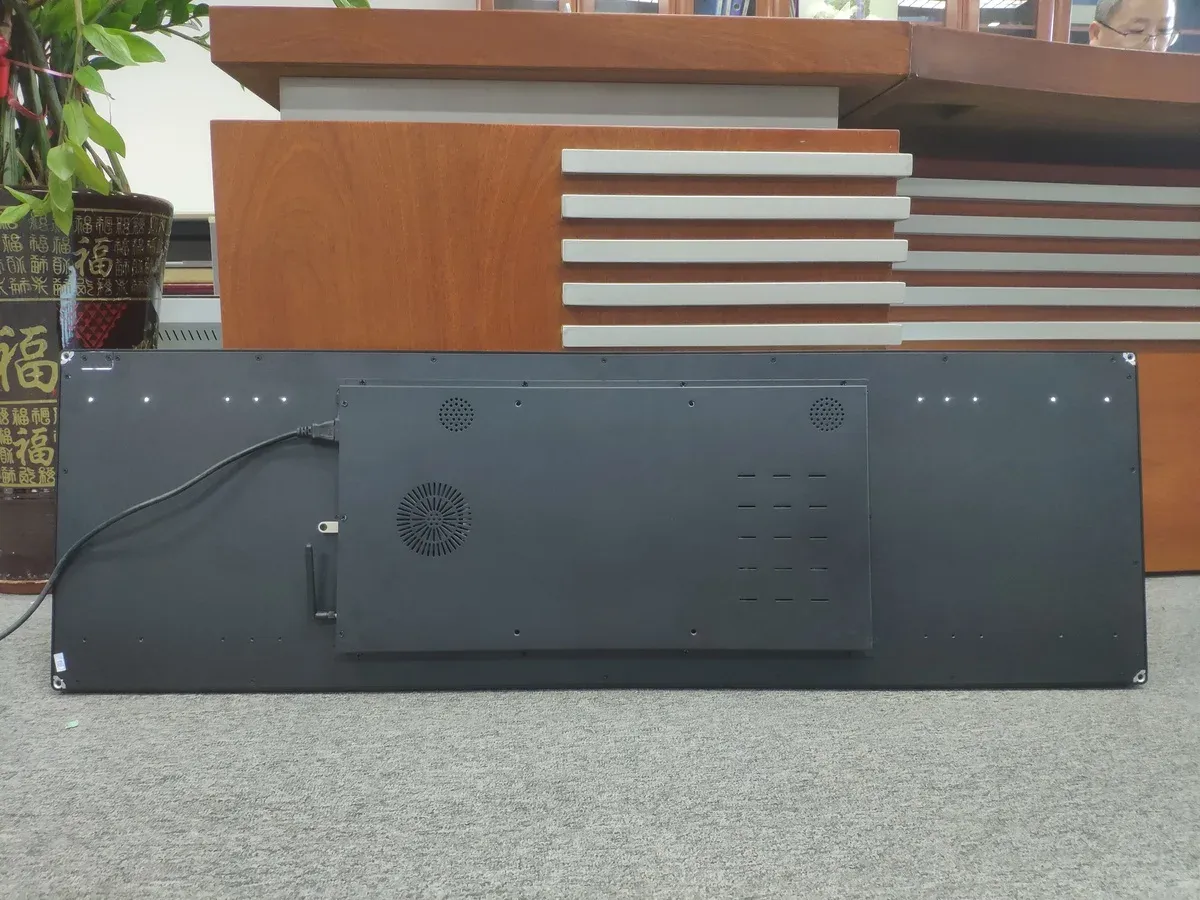
Solid concrete masonry and reinforced brick walls accommodate both surface wall mounting and recessed embedding safely. Lightweight drywall partitions and gypsum plasterboard have limited load capacity; wall mounting requires internal structural reinforcement plates or fastening into vertical steel studs, while recessed embedding demands pre-construction framing review. Glass partitions and curtain walls cannot be drilled, requiring floor-standing pedestals or freestanding architectural sub-frames.
Ceiling suspension requires verified structural anchoring into primary overhead concrete slabs or structural steel beams; hanging displays from decorative plaster ceiling tiles or light grid runners is strictly prohibited.
Eliminate methods that site structural conditions prohibit, evaluating only the remaining viable options.
Question 2: Where Do Shoppers Arrive From, and Where Do Their Sightlines Fall?
Commercial displays exist to communicate messages; pedestrian foot-traffic circulation dictates optimal mounting geometry.
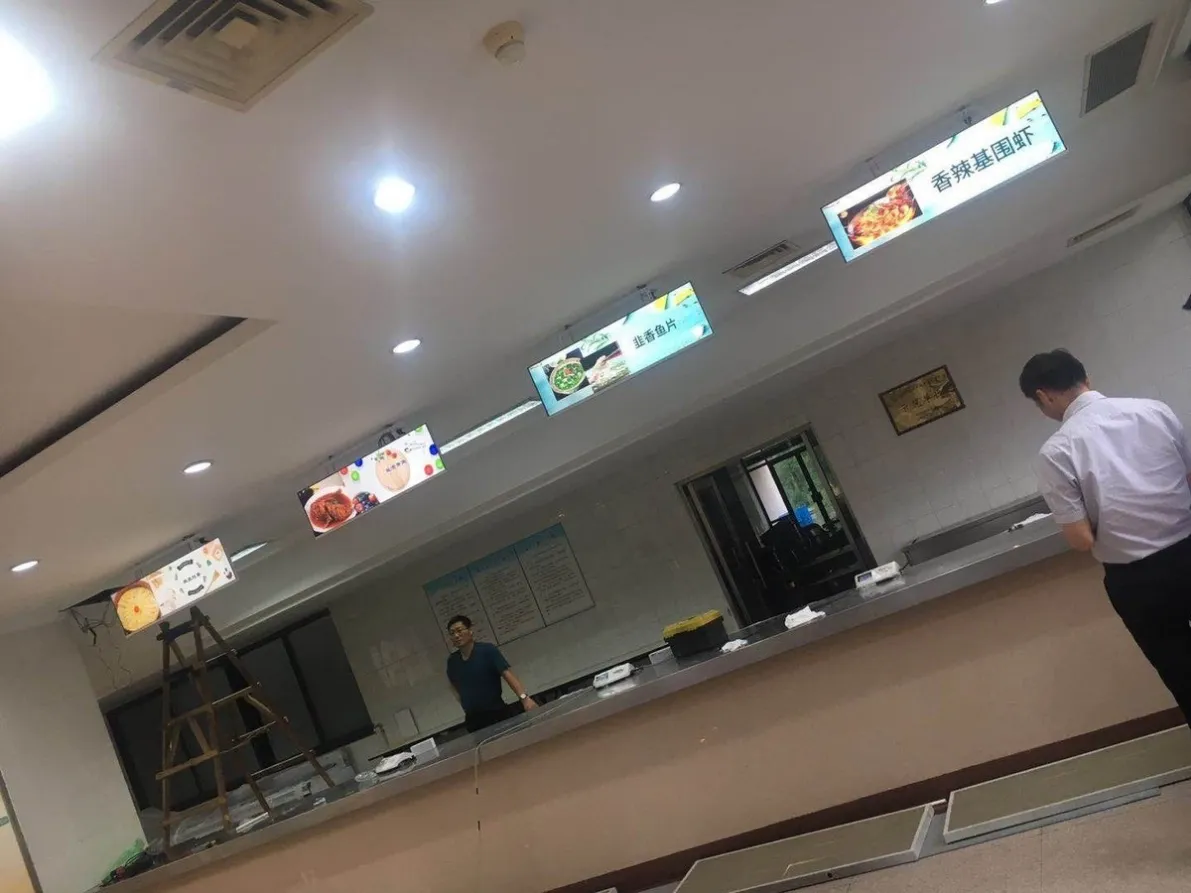
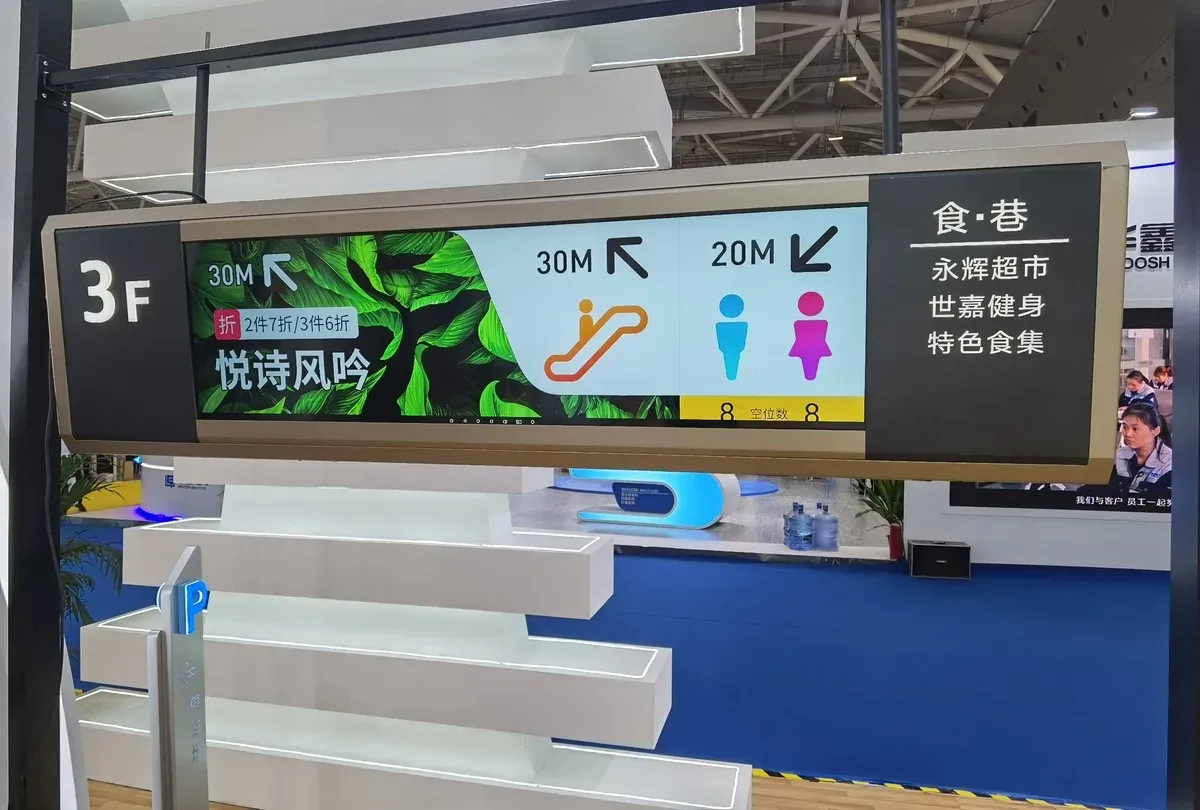
When shoppers browse retail shelving aisles, sightlines fall naturally along shelf tiers; screens mount flush along shelf edges via clips or recessed framing. When commuters navigate open transit concourses looking upward, overhead ceiling suspension provides unobstructed long-range visibility, provided ceiling clearance preserves headroom and avoids lighting glare.
For seasonal promotional zones where display placement rotates across event spaces, mobile floor pedestals deliver unmatched flexibility.
Before finalizing hardware, walk the customer traffic route in person to determine where screens first enter natural pedestrian sightlines.
Question 3: How Stringent Are Your Interior Aesthetic Standards?
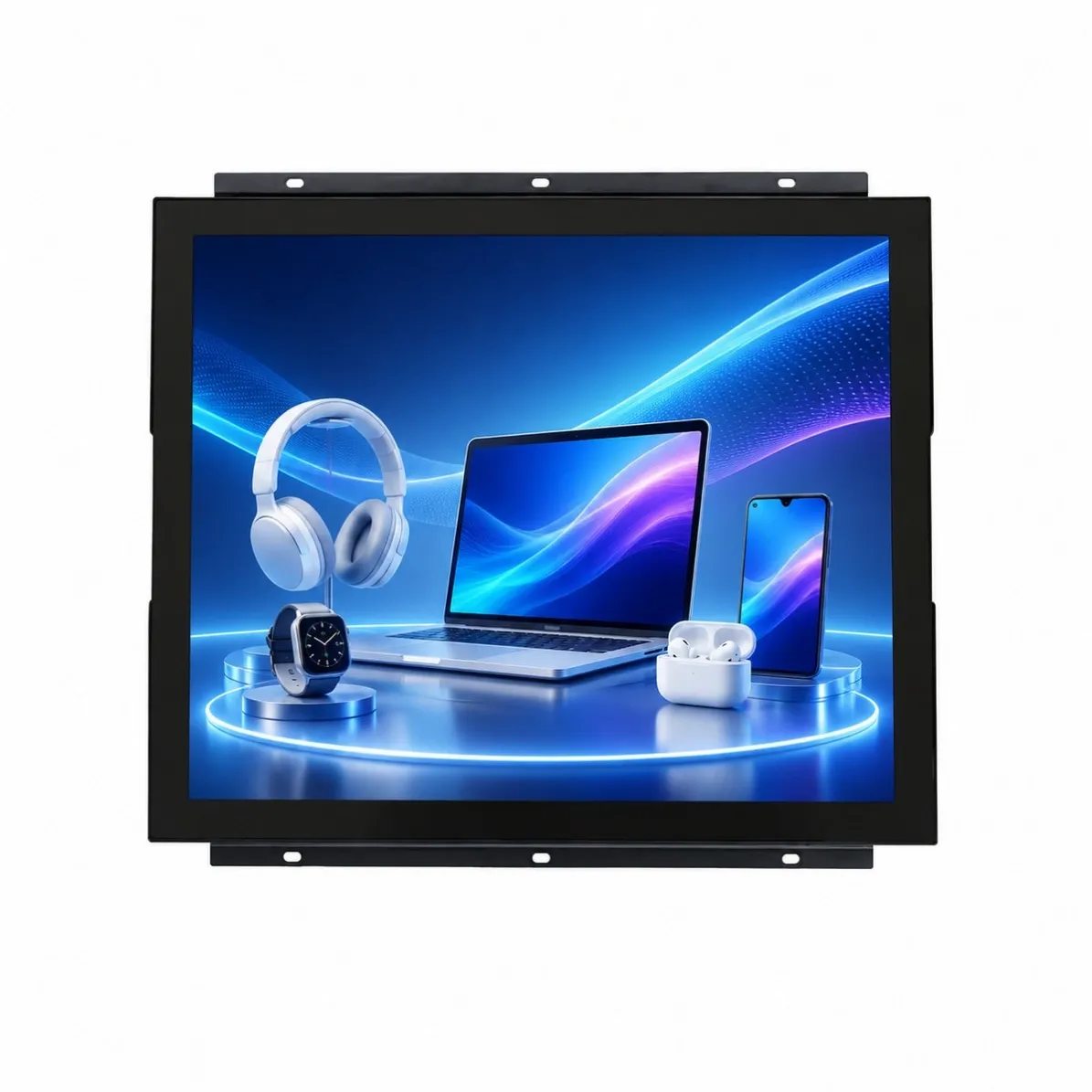
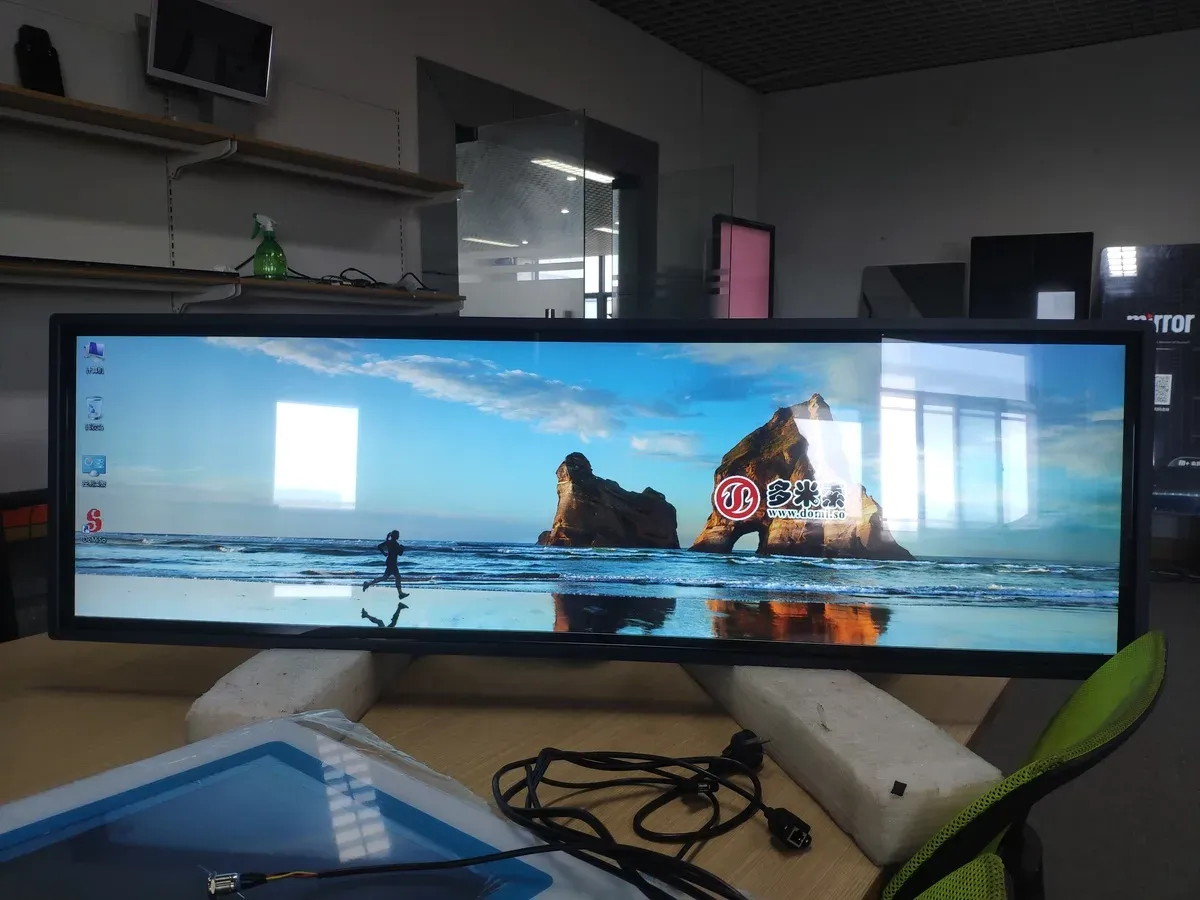
Where spatial elegance and visual refinement are paramount—such as corporate showrooms, luxury brand boutiques, and upscale hospitality lounges—recessed embedding is superior: screen faces align flush with wall millwork, bezels are minimized, and mounting brackets remain completely concealed.
Surface wall mounting is the practical runner-up: chassis depth protrudes slightly, but installation is straightforward and economical. Ceiling suspension and floor pedestals introduce visible rods, brackets, and bases, creating a more industrial aesthetic that suits modern transit terminals or retail atriums but may clash with intimate boutique decor.
For budget-conscious projects, wall mounting is typically sufficient; for luxury brand environments with fixed layouts, recessed embedding justifies the investment.
Question 4: Will Display Locations Be Reconfigured in the Future?
If store layouts rotate frequently—such as pop-up retail stalls, seasonal promotional endcaps, or exhibition booths—approach wall mounting and recessed embedding with caution. Repositioning wall-mounted screens leaves drill holes and repainting work, while modifying recessed walls requires costly demolition. Mobile rolling stands or freestanding pedestals control reconfiguration costs.
Conversely, where display locations remain permanent for years—such as checkout counter headers, supermarket shelf edges, and fixed cabinetry niches—the structural stability and streamlined integration of wall mounting and recessed embedding are unmatched.
Question 5: When Hardware Fails, How Will Technicians Service It?
This is the most frequently neglected question during procurement, yet the source of greatest post-installation frustration.
Surface wall mounts and floor pedestals offer straightforward maintenance: technicians access side or rear ports directly. Ceiling suspension requires ladders or scissor lifts, elevating servicing labor. Recessed embedding presents the greatest maintenance challenge: if pre-service access was not engineered into the design, servicing a single faulty unit forces technicians to dismantle entire shelving rows or cut finished walls.
Consequently, when selecting recessed embedding, always verify: Does the model support front-service maintenance? What forward clearance is needed to extract modules? In multi-screen tiled arrays, can individual units be extracted independently? Review our dedicated front-service guide for technical details.
Recommended Mounting Formats by Commercial Scenario
Retail Shelf Tiers & Gondola Edges: Recessed embedding or specialized shelf-edge track clips, keeping aisles clear while delivering flush aesthetics. Confirm front-service access.
Checkout Transoms & Reception Backdrops: Surface wall mounting, providing simple, cost-effective installation with adjustable viewing tilt.
Aisle Corridors & Transit Gates: Overhead ceiling suspension, delivering multi-angle visibility across crowds, executed by certified structural contractors.
Luxury Brand Vitrines & Corporate Showrooms: Recessed flush embedding, delivering refined aesthetics, planned during architectural renovation.
Seasonal Promotional Zones & Temporary Events: Freestanding floor pedestals, providing agile mobility, with heavy weighted bases to prevent tipping.
Glass Partitions & Walls Unsuitable for Drilling: Freestanding pedestals or custom architectural sub-frames.
Special Considerations for Outdoor and Humid Environments
This decision framework assumes indoor commercial environments. If installations face driving rain, direct solar baking, or persistent humidity, mounting format is secondary to whether the display hardware itself is engineered for outdoor all-weather durability. Our commercial stretched displays are engineered for indoor commercial spaces; they cannot be deployed outdoors directly without specialized outdoor-rated enclosures.
Pre-Installation Planning Checklist
Confirm screen dimensions and weight, selecting matching certified mounting hardware rather than improvising with mismatched brackets. Ensure enclosures preserve convective thermal ventilation space. Plan concealed conduit pathways and dedicated power outlets during architectural drafting. Execute post-installation acceptance testing. Elevated hanging, structural drilling, and electrical wiring should be performed by certified contractors.
Frequently Asked Questions (FAQ)
Which mounting method carries the lowest installation cost?
Surface wall mounting and simple desktop stands carry the lowest labor costs. Recessed embedding requires custom apertures and millwork, making it the most capital-intensive; ceiling suspension involves elevated rigging labor.
Can a display be wall-mounted initially and converted to recessed mounting later?
It is not advised. Recessed embedding requires pre-cut openings, framing sub-structures, and in-wall conduits that are difficult and expensive to retrofit into finished walls.
Do ceiling-suspended stretched displays sway in drafts?
Swinging depends on suspension rod rigidity and anchor points. High-clearance corridors require rigid suspension poles and lateral diagonal anti-sway tiebacks.
Are floor-standing pedestals stable in crowded retail spaces?
Stability depends on base plate width, ballast weighting, and center of gravity. In dense pedestrian corridors, mechanical floor anchoring is strongly advised to eliminate tipping risks.
Conclusion
Selecting the optimal mounting format requires looking beyond generic feature lists to answer five operational questions: substrate load capacity, pedestrian sightlines, aesthetic refinement, layout permanence, and servicing access. Methodically filtering options through these criteria reveals the ideal mounting solution for your space.
ZXTLCD specializes in the design and manufacturing of shelf-edge stretched bar displays and specialized custom-format LCD screens, spanning stretched bars, square displays, and round screens, supporting comprehensive OEM/ODM custom engineering. If your project has specialized mounting requirements, share your site dimensions, substrate conditions, and application scenarios with our team for professional consultation. Official website: www.shelflcd.com
Looking for customized commercial Stretched Bar Display Mounting & Brackets solutions, Stretched Bar Display Mounting, Wall-Mount Bar LCD Screen, Ceiling Hanging Stretched Display, or tailored ultra-wide display hardware? Feel free to contact the ZXTLCD engineering team for engineering specifications, CAD drawings, and factory-direct volume quotes.
Featured Commercial Hardware: Explore our high-performance 88 Inch Ultra Wide Stretched Bar LCD Monitor and 48 Inch Long Strip LCD Monitor for Digital Header Signage engineered specifically for demanding modern retail shelf and digital signage spaces.