News & Insights
How Can a Circular Brand Display Inside a Window Remain Visible to People on the Street?
A circular brand display installed inside a shop window and facing the street will ultimately be viewed through glass. During the day, the glass may reflect buildings across the street or a bright
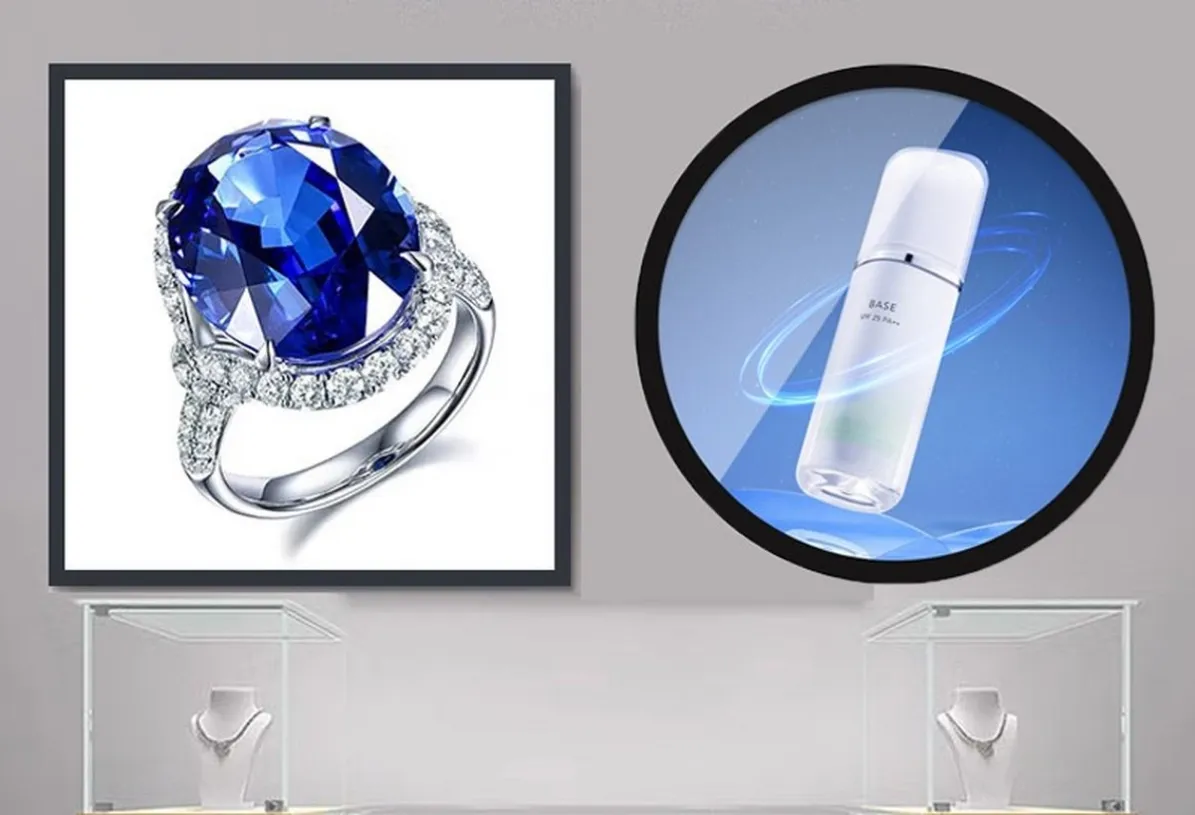
A circular brand display installed inside a shop window and facing the street will ultimately be viewed through glass. During the day, the glass may reflect buildings across the street or a bright sky. At night, interior spotlights and the window display itself also enter the viewer’s field of vision. Before choosing a screen, first decide from which direction you want customers to recognize the brand, then use that angle to check the screen position and content.
Walk Along the Sidewalk from Both Directions Before Deciding the Screen Angle
Walk toward the entrance from both the left and right sides of the window. Note the earliest point at which the screen becomes visible, and where the branding can be read clearly. If the screen faces straight forward, customers standing directly in front of the glass can usually see it more easily. If most foot traffic comes from one side, compare different screen angles to see which one allows the brand to be recognized sooner.
When testing the position, you can use a circular paper template close to the planned size. Place it in the intended location and view it together with the window frame, mannequins, hanging signs, and merchandise. Check whether the circular screen blocks the main display, or whether it is blocked by other objects inside the window. Then look at it again from inside the store to confirm there is still enough space for daily arrangement and maintenance.
Play the Same Image During the Day and at Dusk
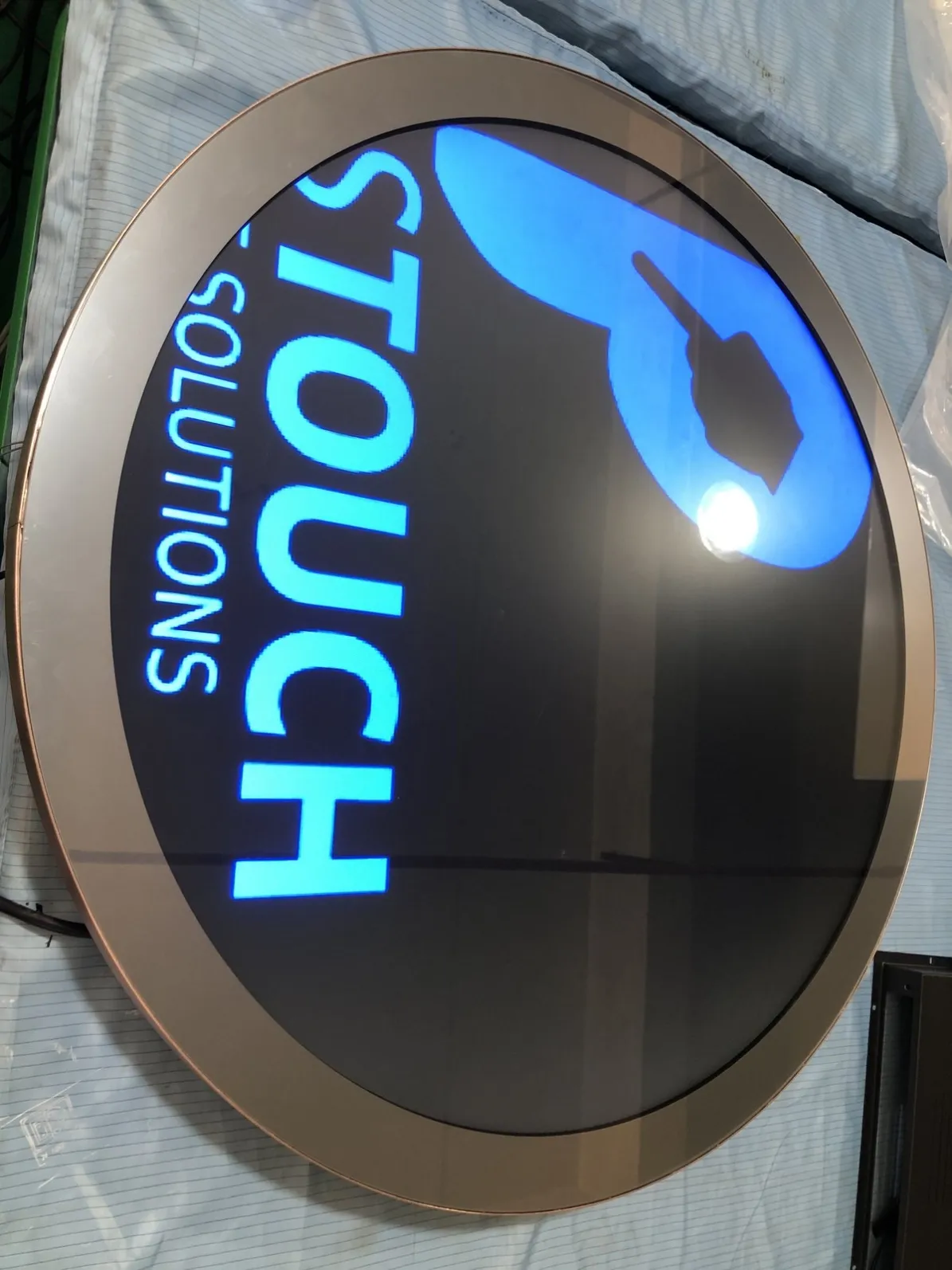
During sample testing, use one actual brand image and prepare both a dark and a light background version. In daytime, check from the street whether glass reflections overpower the branding. At dusk, compare the brightness of the circular screen with the surrounding window display. If the branding is difficult to read only from certain angles, first adjust the screen direction or use a clearer background color, then evaluate whether higher brightness is needed.
This type of setup is intended for indoor use on the inside of a shop window. If the location is outside the glass or outside the entrance, the device and installation requirements should be reviewed again according to that environment. Even for an indoor window location, it is helpful to record whether the device will receive long periods of direct sunlight and when temperatures inside the window are highest, then confirm these conditions together with the selected configuration.
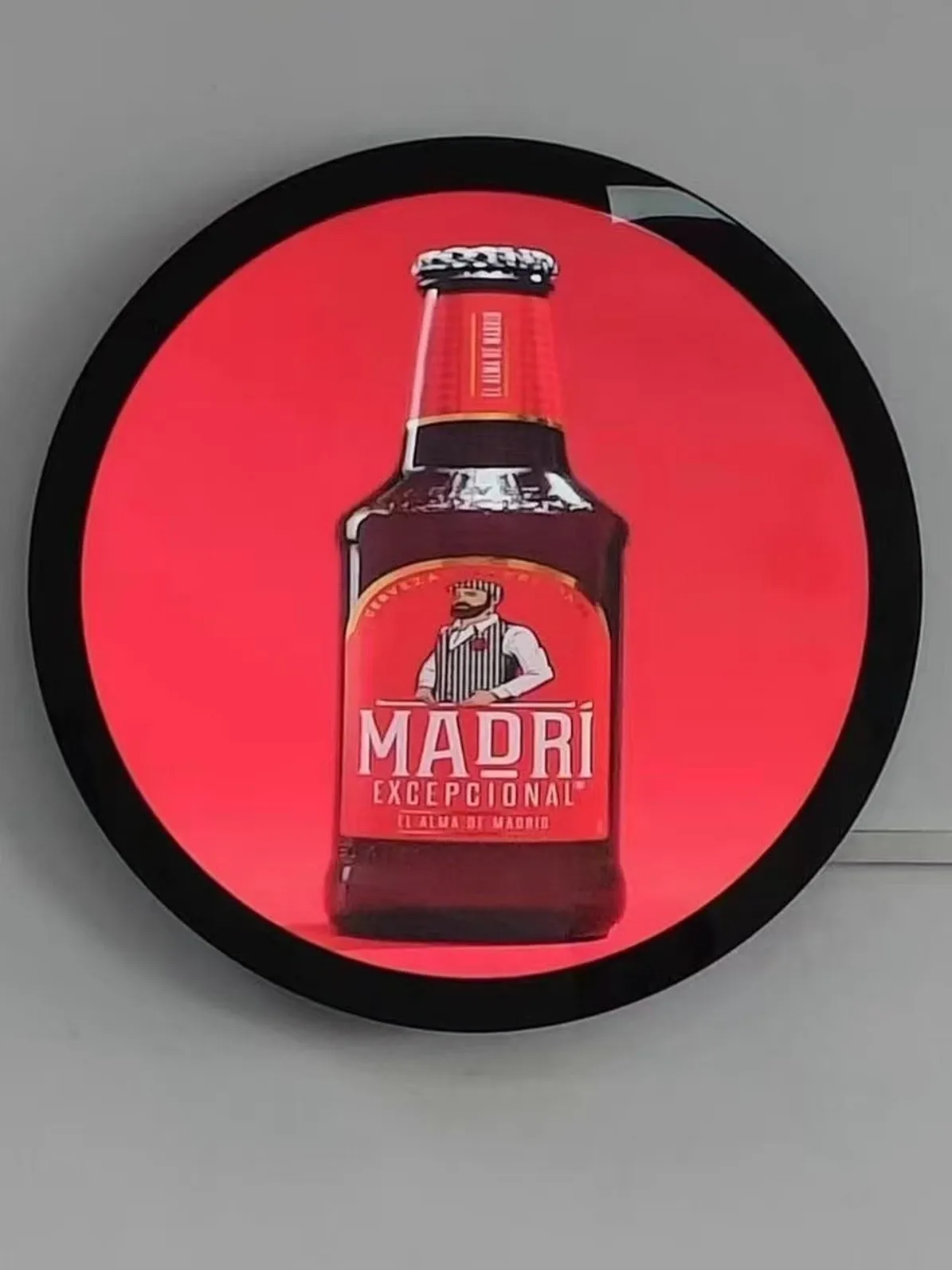
Make Sure the Main Message Can Be Understood at a Glance
Window viewers rarely start watching an animation from the first frame. The brand logo can remain visible throughout the main screen, while movement is limited to the outer ring effects or product outline. If a product line or series name will be shown, test it once from the street side to confirm that customers can read the full name while walking past the window.
When contacting ZXT LCD, you can provide street-side photos taken during the day and at dusk, the main customer approach direction, and the planned brand visuals. For text placement and motion boundaries on a circular canvas, you can also refer to How to Design Content for a Round Screen?