Oct 12, 2026News & Insights
Stretched Bar LCD Advantages: Solving Space and Form-Factor Challenges in Commercial Signage
Deploying an advanced <strong>Stretched Bar LCD Advantages</strong> provides commercial venues with a distinct, form-factor-optimized digital signa...
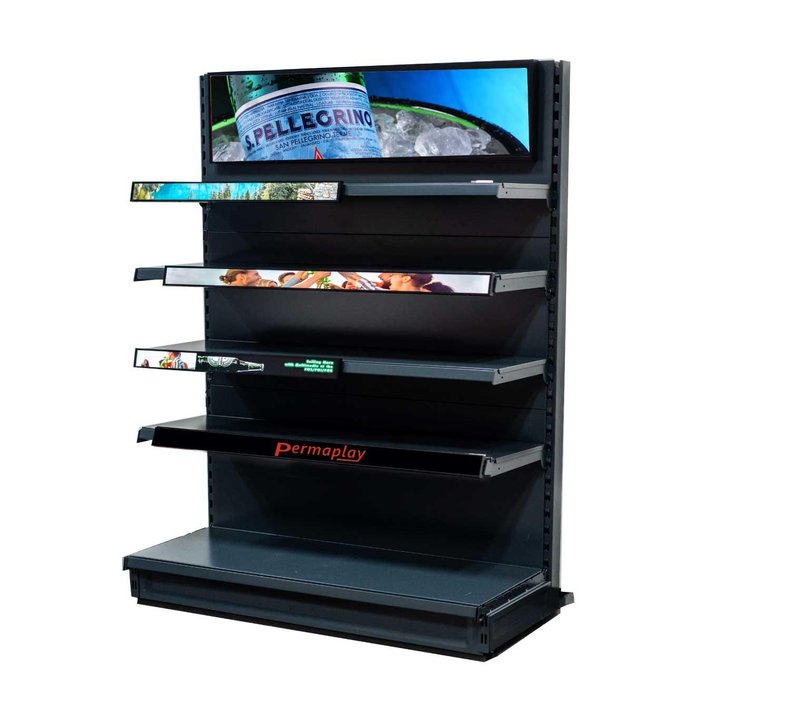
Deploying an advanced Stretched Bar LCD Advantages provides commercial venues with a distinct, form-factor-optimized digital signage solution. In many commercial scenarios, there is no shortage of content to display; the real challenge is often finding a display device that fits the space.
Certain spaces are excessively narrow, making standard displays difficult to install; some locations feature unique architectural contours where conventional screens appear bulky and out of place; and other scenarios demand rich informational displays without sacrificing valuable physical space.
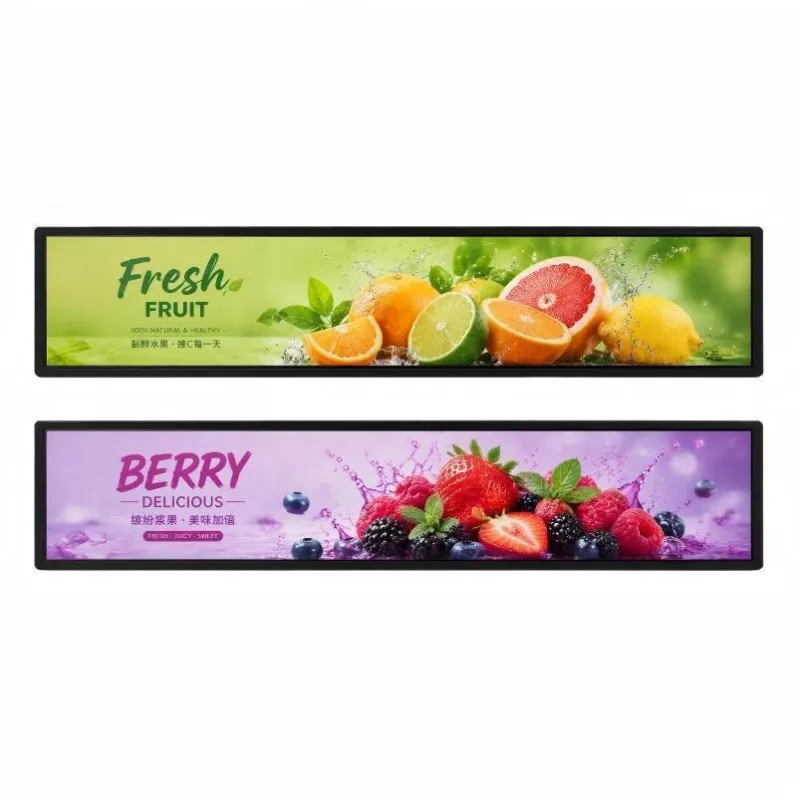
Stretched bar LCD displays (ultra-wide bar screens) are engineered specifically for these specialized display requirements. Rather than simply trimming down a standard screen, they utilize unique aspect ratios, adaptable mounting options, and comprehensive content management solutions to integrate digital signage seamlessly into commercial environments.
1. It’s Not a Lack of Space—It’s the Wrong Screen Form Factor with a Stretched Bar LCD Advantages
Conventional displays typically utilize standard widescreen aspect ratios (such as 16:9), requiring relatively square and uniform installation spaces. In real-world commercial environments, however, the ideal location for information delivery may only be a long, narrow strip.
For instance, top wall perimeters, retail shelf edges, overhead counter areas, equipment enclosures, and tight spaces within public transit vehicles are often unsuitable for conventional aspect-ratio displays.
Forcing a standard screen into these spaces not only fails to maximize the area effectively, but can also disrupt the existing layout and detract from overall aesthetics.
Stretched bar displays feature an ultra-wide, elongated aspect ratio. By selecting dimensions and proportions tailored to the actual installation environment, they transform previously unusable areas into dynamic information delivery touchpoints.
For retail, transportation, hospitality, and public information display scenarios, this adaptable form factor unlocks significantly greater flexibility in visual design.
2. Tailored to Information Consumption Habits in Commercial Scenarios
In commercial spaces, visitors typically need to absorb key information within seconds. When passing by shelves, service counters, or walkways, audiences rarely linger for long; displayed content must therefore be clear, concise, and focused on essential points.
Stretched bar displays can present diverse commercial information tailored to their specific aspect ratio and installation location, such as:
Dynamic notifications and real-time announcements
Product overviews and feature highlights
Restaurant menus and pricing
Floor directories and wayfinding directions
Promotional campaigns and marketing content
Data summaries and system status updates
By thoughtfully coordinating text, high-resolution imagery, and video, stretched bar screens integrate content harmoniously with surrounding environments, making key information instantly noticeable.
The true value of a display lies not merely in playback, but in delivering the right message at the right location, formatted specifically for that setting.
3. One Screen, Multiple Content Zones
Real-world commercial deployments frequently require presenting diverse types of information simultaneously. For example, alongside a product video, you may need to display the product name, pricing, promotional discounts, or supplementary specifications.
Using separate screens for each type of content not only consumes excessive installation space, but also compounds hardware layout and management complexity.
Stretched bar displays equipped with split-screen capabilities can partition the screen into multiple custom zones via CMS software, simultaneously showcasing video, images, scrolling text, and live widgets.
In restaurant menu boards, retail shelf headers, and public transit information systems, strategic split-screen layouts substantially increase the utility of limited display real estate.
The specific number of split-screen zones, layout configurations, and content combinations are determined by hardware capabilities, media player systems, and CMS software features.
4. Content Updates Without Manual On-Site Operations
When managing only a few display units, updating content manually via USB might be manageable. However, across retail chain stores, expansive shopping malls, or transit networks deploying dozens or hundreds of units, relying exclusively on manual, on-site updates creates massive maintenance overhead.
Stretched bar displays support versatile update methods tailored to project requirements, including USB plug-and-play, local area network (LAN) control, and cloud-based CMS content publishing. Devices equipped with networked media players can be managed centrally and remotely.
System administrators can remotely adjust advertising schedules, update menu items and pricing, or publish urgent notices across entire networks with a single click, eliminating the need for physical on-site intervention.
For multi-store, multi-regional commercial deployments, centralized digital signage management dramatically boosts operational efficiency while ensuring strict brand and informational consistency across all screens.
Remote Multi-Screen Control
In remote management solutions, networked displays can be distributed content and scheduled centrally via a unified CMS platform. Actual control capabilities depend on software functionality, network infrastructure, and hardware compatibility.
Versatile Content Upload Options
Depending on device configuration, content can be uploaded and refreshed via USB drives, web-based platforms, or other supported channels. File format support, upload workflows, and access permission hierarchies should be verified during project planning.
5. Power-On Auto-Playback for Seamless Daily Operation
In commercial settings, display hardware must not only deliver outstanding visuals, but also ensure effortless daily operation.
Stretched bar displays equipped with power-on auto-playback automatically launch and loop designated playlists as soon as power is supplied, eliminating the need for store staff to manually boot applications each day.
This feature is particularly valuable for retail shelf edges, high-ceiling public areas, transit cabins, and other hard-to-reach locations where frequent physical maintenance is impractical.
For venues requiring timed operation aligned with business hours or scheduled playlist switching, the digital signage playback system can be configured with automated on/off and scheduling tasks.
Note that specific implementations of auto-playback and timed scheduling depend on the media player and software configuration.
6. Engineered for Long-Term Commercial-Grade Reliability
Commercial displays often operate continuously over extended hours. Hardware reliability, thermal dissipation architecture, and ease of maintenance are critical considerations during hardware selection.
Stretched bar displays can be configured with industrial-grade display components, reliable mainboards, and efficient thermal dissipation designs tailored to project requirements. For continuous-playback deployments, operating environment specifications, continuous run ratings, and maintenance guidelines must be carefully evaluated.
Select commercial configurations support 24/7 continuous operation; whether a specific model is suited for uninterrupted running should be confirmed against product specifications and manufacturer guidelines.
When planning installations, factors such as mounting location, ambient temperature, ventilation conditions, and servicing access must be thoroughly assessed. Proper mounting and thermal engineering ensure sustained, stable display performance throughout the hardware lifecycle.
7. Comprehensive Sizes and Mounting Options to Fit Any Space
Stretched bar screens offer a wide selection of screen sizes, ultra-wide aspect ratios, and mounting configurations to suit diverse spatial limitations and content objectives.
For example, supermarket shelf edges require ultra-narrow bar displays to present pricing and product specifications; overhead food service counters demand longer screen widths for comprehensive multi-panel menus; and industrial equipment integration calls for custom enclosures matching internal mechanical clearances.
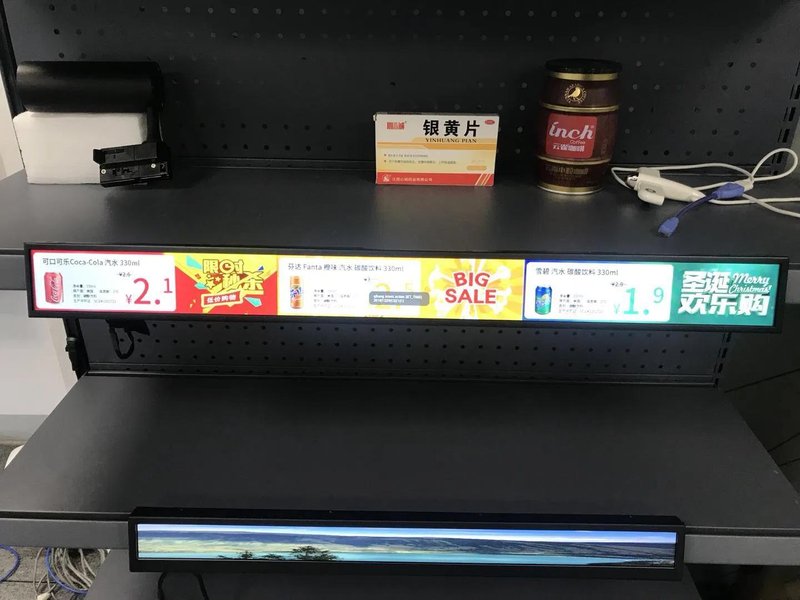
During hardware evaluation, beyond screen width and height, careful attention should be given to structural mounting space, power delivery, video signal interfaces, aspect ratio content adaptation, and post-installation serviceability.
For non-standard dimensions or unique installation environments, advance verification is recommended regarding customized sizing, structural brackets, and matching driver board capabilities.
8. Expanding Applications from Transit to Modern Commercial Spaces
With their unique ability to fit narrow, irregular spaces, stretched bar displays are driving digital transformation across diverse sectors:
Public Transportation: Displaying route maps, upcoming station arrivals, transfer information, and operational announcements.
Food & Beverage: Showcasing digital menu boards, combo deals, price updates, and promotional specials.
Healthcare Facilities: Delivering directional wayfinding, doctor schedules, queue numbers, and public health advisories.
Retail Stores: Highlighting product features, promotional banners, brand videos, and dynamic shelf-edge pricing.
Commercial Complexes: Enhancing digital signage, mall wayfinding, floor directories, and dynamic event announcements.
Industrial Equipment: Integrating into machinery control panels to show equipment operating status, operational guides, and real-time telemetry.
Different application environments impose varying requirements on brightness, dimensions, content management, and operating durability, requiring display solutions configured specifically for field conditions.
9. ZXTLCD Stretched Bar Display Solutions
ZXTLCD stretched bar display solutions can be customized to match the unique spatial layouts and functional requirements of diverse commercial projects. When planning your project, key factors to consider include:
Dimensions & Aspect Ratio: Determining the optimal active display area based on real physical installation boundaries.
Display Performance: Selecting appropriate panel brightness, contrast, and viewing angles according to ambient lighting, viewing distances, and content types.
Screen Layout: Deciding between full-screen playback or multi-zone split-screen arrangements based on informational density.
Content Management: Selecting standalone USB updates or centralized cloud-based CMS networks depending on device quantity and update frequency.
Operation & Maintenance: Confirming operating environment limits, heat dissipation conditions, continuous duty cycles, and routine maintenance accessibility.
By matching specialized screen form factors with real physical spaces and pairing them with robust content management systems, stretched bar displays unlock the full potential of commercial digital signage.
Conclusion
Standard displays are not incapable of presenting commercial information; rather, in tight corridors, architectural recesses, and space-constrained installations, conventional 16:9 aspect ratios often prove ill-fitting. Stretched bar LCD displays provide an innovative solution through ultra-wide form factors, versatile mounting designs, split-screen multi-zone playback, and remote network management.
From transit route indicators to smart retail shelving, and from quick-service restaurant menus to public space wayfinding, stretched bar screens bring dynamic digital content to previously underutilized spaces.
ZXTLCD delivers tailored stretched bar display solutions engineered to match specific spatial constraints, content requirements, and operational workflows, achieving seamless harmony between display hardware and modern commercial environments. In conclusion, adopting a high-performance Stretched Bar LCD Advantages elevates visual merchandising impact, enhances customer engagement, and maximizes commercial display efficiency.
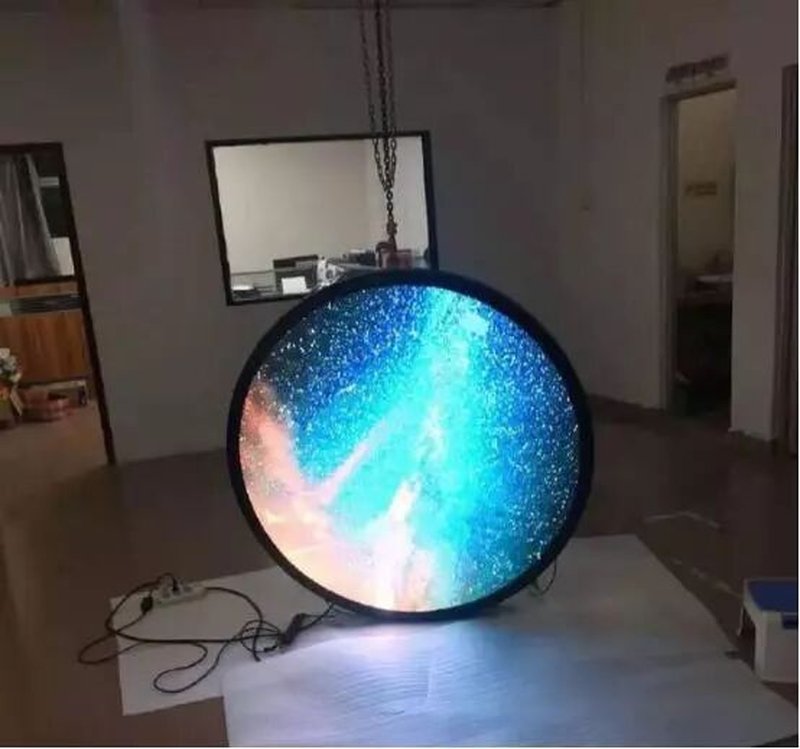
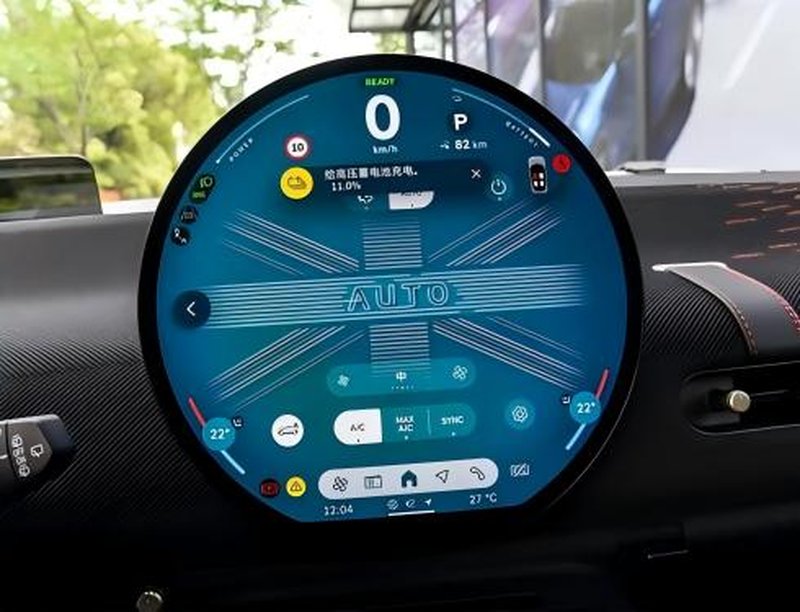
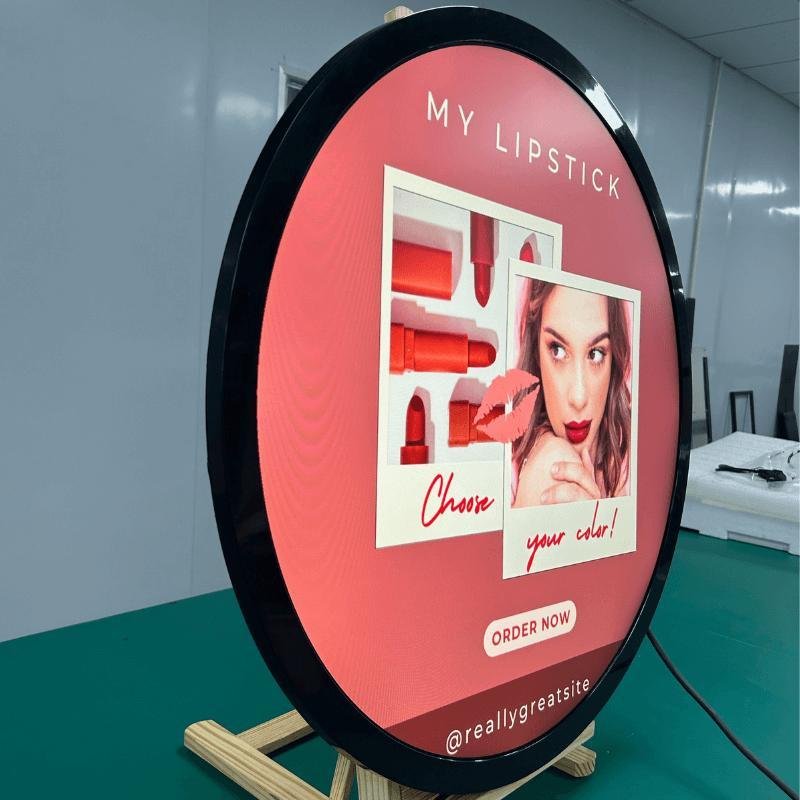
Looking for customized Stretched Bar LCD Advantages solutions, ultra-wide stretched bar LCD displays, or round digital signage hardware? Feel free to contact the ZXTLCD engineering team for technical specifications, product samples, and tailored volume pricing.