Oct 12, 2026News & Insights
Round LCD Display vs Standard Screen: Comparing Physical Architecture, Driving, and Use Cases
Round LCD displays differ from standard screens in design, applications, customization, and visual impact, offering unique solutions for specialized products.
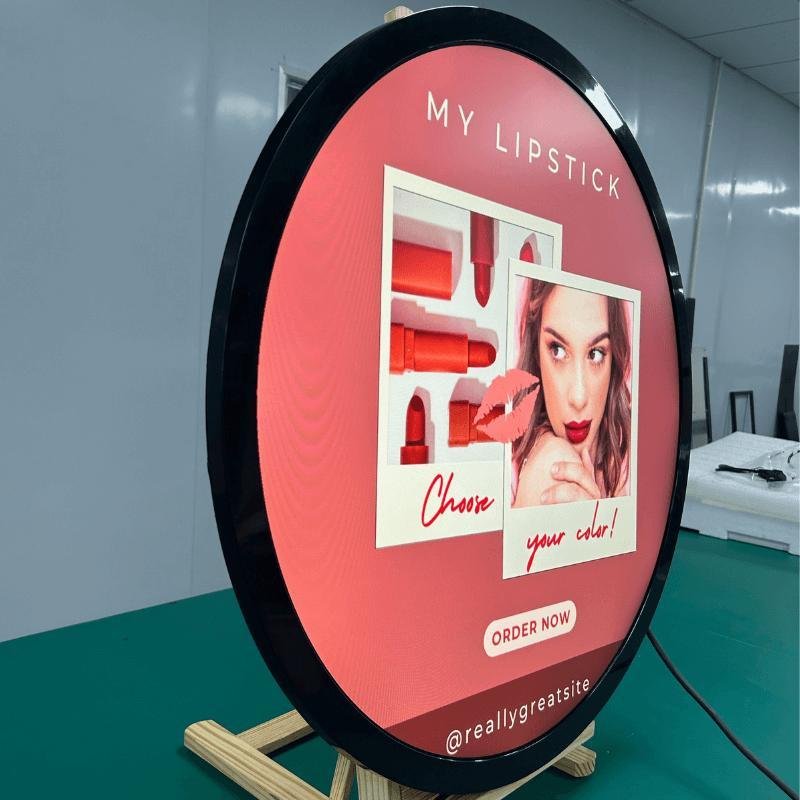
What Is the Difference Between Round LCD Displays and Standard Rectangular LCD Screens? with a Round LCD Display vs Standard Screen
Deploying an advanced Round LCD Display vs Standard Screen provides commercial venues with a distinct, form-factor-optimized digital signage solution. LCD screens are extensively deployed across consumer electronics, industrial machinery, and commercial digital signage terminals. Supported by mature manufacturing processes and standardized designs, traditional rectangular LCD screens have long remained the mainstream industry solution.
With the rapid growth of smart hardware and differentiated industrial design, round LCD displays are increasingly entering diverse application scenarios. Compared with traditional rectangular panels, round LCD displays not only transform the physical display form factor, but also unlock new possibilities for product exterior styling and interactive experiences.
What exactly are the differences between round LCD displays and standard rectangular LCD screens, and how should you choose between them for real-world deployments?
1. Distinct Physical Structures and Engineering Designs
The most immediately visible difference between a round LCD display and a standard LCD screen is the geometric shape of the active display area.
Standard LCD screens feature a rectangular footprint with standardized aspect ratios and diagonal measurements. Common monitors, digital signage kiosks, and industrial HMI panels are predominantly designed around rectangular viewing areas.
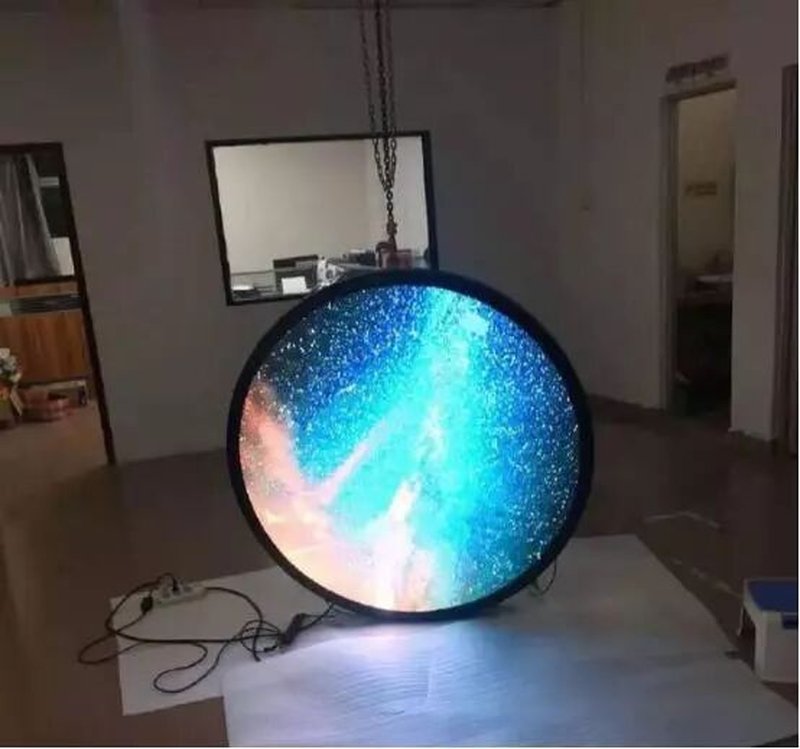
A round LCD display, in contrast, presents a circular active display zone, requiring a ground-up redesign of the LCD module architecture. Rather than simply cutting a rectangular panel into a circle, a true round LCD involves specialized engineering across the glass substrate, gate/source driver routing, circular backlight unit (BLU), and mechanical bezel housing.
Consequently, round displays offer superior geometric flexibility to complement specialized, contoured product enclosures.
2. Divergent Application Scenarios
Thanks to their wide size availability and cost efficiency, standard rectangular LCD screens are heavily utilized in computer monitors, televisions, conference room displays, digital signage players, and standard industrial terminals.
Round LCD displays are primarily adopted in equipment and spaces requiring distinctive aesthetic appeal or circular form integration, such as:
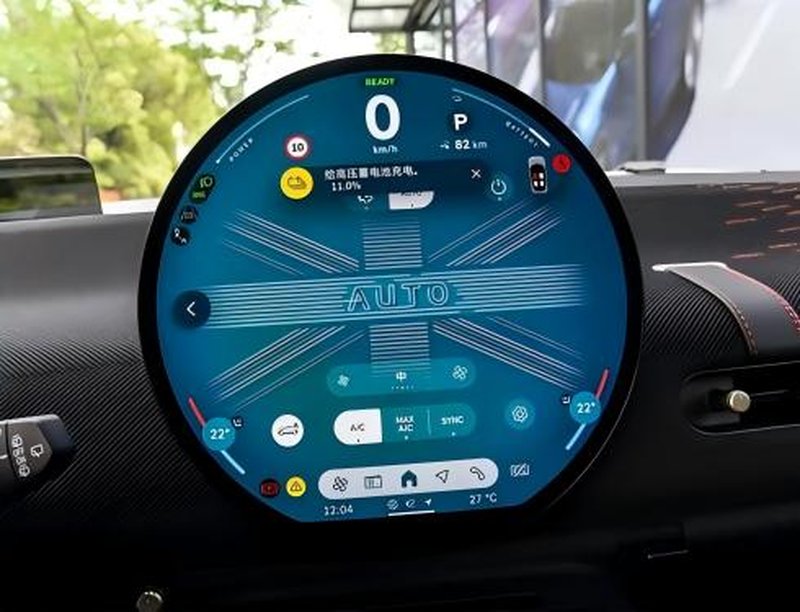
Smart automotive and marine gauges;
Industrial rotary control knobs and HMI units;
Smart home thermostats and control panels;
Commercial retail showcase displays;
Creative interactive museum installations.
In these applications, the display screen serves not only as an information output interface, but also as an integral design element of the product's overall industrial styling.
3. Different Degrees of Product Design Freedom
Designing with standard rectangular LCDs typically requires building the device housing around fixed, pre-existing panel dimensions.
While molding an enclosure around a standard rectangular panel shortens development cycles and simplifies cost control, it imposes strict limitations on industrial design creativity.
Round LCD displays can be customized to align with specific product aesthetics, including outer diameter, active circular area, mounting bracket architecture, and integrated touch functionality.
For OEMs and hardware manufacturers seeking strong market differentiation, circular display solutions provide substantially greater industrial design freedom.
4. Differences in UI and Content Layout
Because of the contrasting active area geometries, round LCD displays and standard rectangular screens require fundamentally different approaches to UI/UX and content composition.
Rectangular screens naturally accommodate multi-line text, data tables, and horizontal video streams, such as desktop interfaces, financial spreadsheets, and standard widescreen media.
Round LCD displays are uniquely suited for:
Dial and gauge clusters;
Status indicators and progress rings;
Icon-centric interactive menus;
Radial data visualizations;
Creative circular motion graphics.
Presenting complex information on a round screen requires designing a dedicated circular user interface (UI) so visual elements flow naturally along the curved perimeter and maximize available screen space.
5. Customization Complexity and Development Workflows
Backed by decades of mass production, standard rectangular LCD screens rely on a highly standardized global supply chain.
Procurement usually involves selecting an off-the-shelf model based on diagonal size, resolution, and signal interface.
Because round LCD displays are more specialized and often customized, hardware development requires evaluating several engineering parameters:
Active diameter and outline dimensions;
1:1 circular resolution matching;
Driver IC and controller board selection;
Mechanical mounting and sealing structures;
Capacitive or resistive touch integration;
Operating temperature and environmental tolerances.
Therefore, adopting a round display typically requires engaging with the display solution provider early in the industrial design phase to validate mechanical and electrical feasibility.
6. Visual Impact and Brand Merchandising Value
In commercial retail and exhibition environments, display hardware must not only convey information, but also capture immediate audience attention.
While standard rectangular screens offer dependable utility, their familiar silhouette easily blends into the background.
With their distinctive circular geometry, round LCD displays naturally become a visual focal point in any space. Installed in luxury brand showrooms, boutique retail stores, or jewelry display cases, round displays elevate spatial sophistication and strengthen visual merchandising impact.
For brands focused on distinctive visual identity, unconventional display shapes create immediate product recognition and memorable customer engagement.
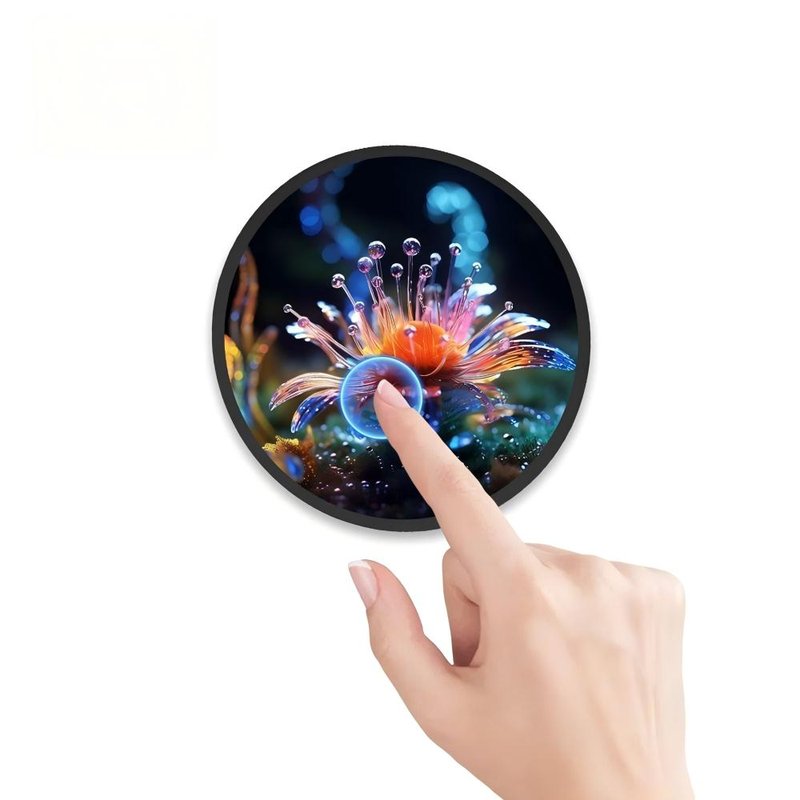
7. How Does Touch Functionality Compare?
Just like standard rectangular touchscreens, round LCD displays can be integrated with capacitive (PCAP) or resistive touch panels to enable smooth human-machine interaction.
However, the circular geometry requires custom adaptation of the touch sensor and cover lens:
Round touchscreens require custom-machined circular cover glass (with optional anti-glare or optical bonding treatments);
Touch sensor electrode routing must be mapped precisely to the circular active area;
Firmware and GUI software must be calibrated for circular coordinate mapping and gesture navigation.
Developing an interactive round display device therefore requires coordinated hardware and software integration.
How to Choose Between a Round LCD Display and a Standard LCD Screen
Selecting the optimal display technology depends on your product positioning, mechanical constraints, and functional goals.
If your project prioritizes unit cost efficiency, universal compatibility, and rapid off-the-shelf deployment, a standard rectangular LCD screen is generally the most practical choice.
If your product demands distinctive aesthetics, ergonomic circular controls, or seamless integration into round architectural or mechanical structures, a round LCD display provides a far more compelling solution.
For example:
Industrial instrumentation and gauges can utilize round displays to match traditional dial cutouts while upgrading to full-color digital readouts;
Brand merchandising kiosks can leverage round screens to draw shopper eyes and highlight hero products;
Smart home and appliance terminals can integrate circular rotary displays to enhance modern product recognition.
Conclusion
Round LCD displays and standard rectangular LCD screens are not in a simple race of superiority; rather, each serves distinct engineering and design objectives.
Backed by supply chain maturity, reliability, and cost efficiency, standard rectangular screens remain the workhorse for general-purpose display applications. Meanwhile, round LCD displays—empowering bold exterior styling and flexible customization—are unlocking growing value across smart hardware, commercial retail displays, and modern industrial instrumentation.
As product engineering places ever greater emphasis on user experience and visual distinction, round display solutions will continue to power a new generation of innovative devices.
FAQ: Common Questions About Round LCD Displays
Q1: Do round LCD displays offer the same image quality as standard rectangular LCDs?
With proper optical engineering and panel selection (such as IPS technology), round LCD displays deliver image quality on par with standard LCDs, including high pixel density, wide viewing angles, high brightness, and accurate color reproduction. Actual visual performance depends on the specific LCD module specifications.
Q2: Can a round LCD display directly replace a standard rectangular screen?
It can replace rectangular screens in select applications, though not every product is suited for a direct swap. Feasibility should be evaluated based on enclosure mechanics, UI content layout, and project budget.
Q3: Can round LCD displays be customized in size and specifications?
Yes. Depending on project requirements, customization options include screen diameter, resolution, signal interfaces (MIPI, LVDS, HDMI, etc.), high-brightness backlights, and custom cover glass with touch integration.
Q4: Which industries primarily use round LCD displays?
They are widely adopted in industrial instrumentation, smart home appliances, automotive/marine gauges, commercial digital signage, medical devices, audio equipment, and specialized products requiring distinctive exterior design. In conclusion, adopting a high-performance Round LCD Display vs Standard Screen elevates visual merchandising impact, enhances customer engagement, and maximizes commercial display efficiency.
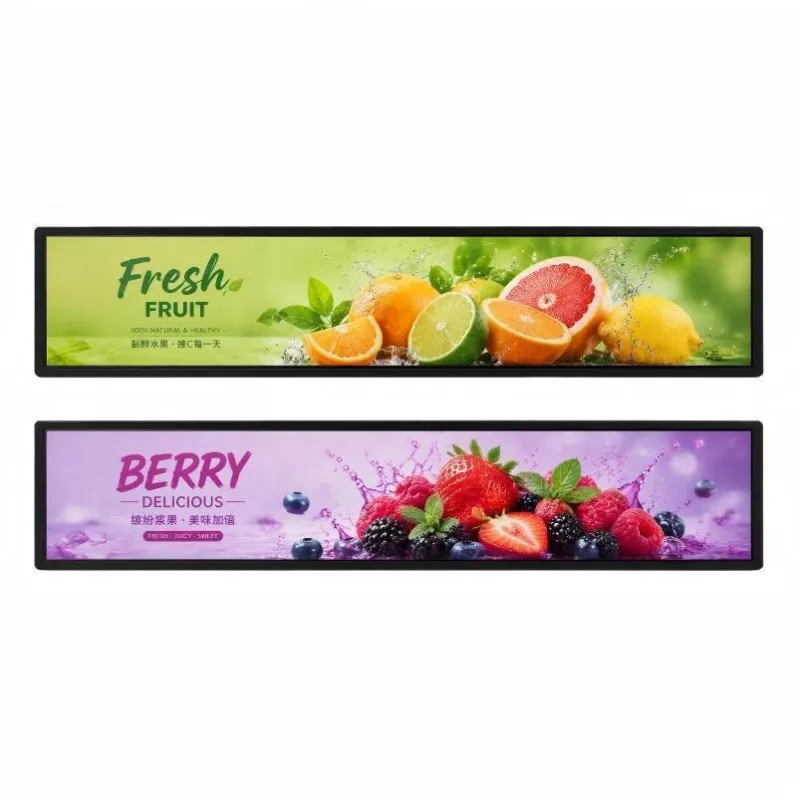
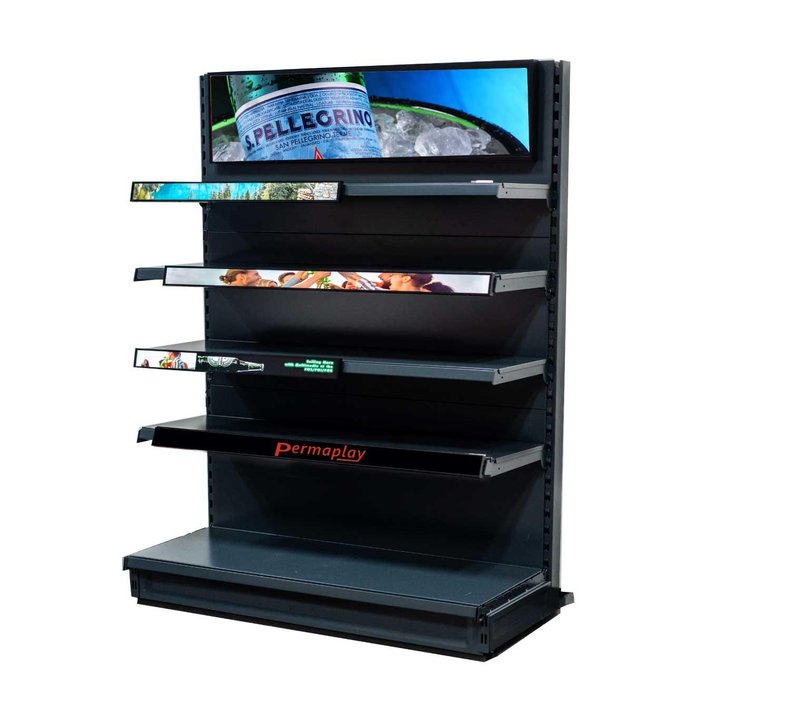
Looking for customized Round LCD Display vs Standard Screen solutions, ultra-wide stretched bar LCD displays, or round digital signage hardware? Feel free to contact the ZXTLCD engineering team for technical specifications, product samples, and tailored volume pricing.