Oct 12, 2026News & Insights
Square Picture Frame Multi-Zone Display: Combining Brand Ads with Live Information Feeds
Square picture-frame displays support multi-zone split-screen layouts, enabling simultaneous advertising and real-time data display for smart commercial applications.
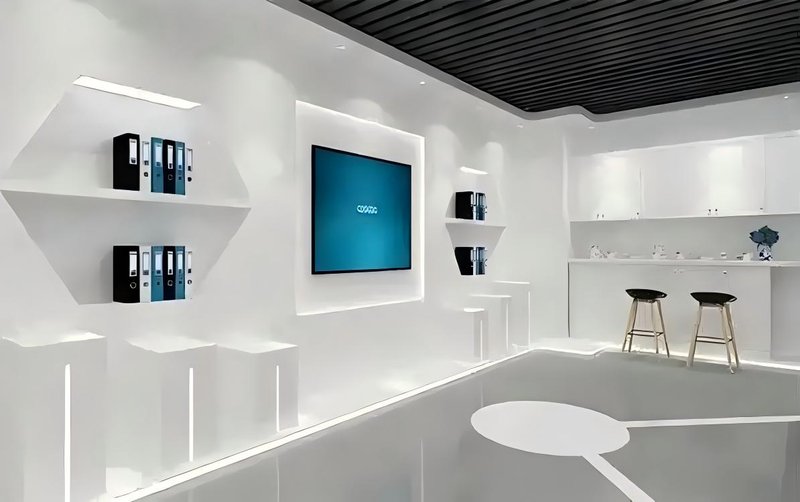
Square Picture Frame Multi-Zone Display: How to Display Advertising and Real-Time Data Simultaneously on a Square Picture-Frame Display
1. Hardware Foundation and Split-Screen Technology Support
Deploying an advanced Square Picture Frame Multi-Zone Display provides commercial venues with a distinct, form-factor-optimized digital signage solution. The square picture-frame display uses a high-definition LCD panel with high brightness and a wide color gamut. Its 16:9 standard-ratio or custom-ratio screen perfectly accommodates split-screen needs. Nano moth-eye anti-reflection technology solves glare problems, ensuring clear presentation of content across multiple zones.
The core of split-screen technology lies in leveraging the graphics card's multi-display extension capability: through Windows display settings or professional split-screen software, the screen is divided into several independent display areas. For example, software such as ViewPacket can physically separate the advertising imagery from data dashboards, ensuring that dynamic content does not interfere between zones.
2. Data Integration and Dynamic Display Solution
Advertising content is pushed remotely via a digital signage system, supporting seamless switching between 4K video and dynamic posters. Real-time data integration uses an ETL toolchain to extract sales data, environmental parameters, and more from databases or API interfaces, then generate visualized charts after cleaning and transformation. The key technology is the data synchronization mechanism, where the WebSocket protocol ensures millisecond-level response between sensor data and the display. One smart retail case showed that in split-screen mode, ad click-through conversion rose 22%, and data-dashboard fault response time was shortened to 8 seconds.
3. Software Toolchain and System Architecture
We recommend split-screen software such as Spacedesk to create a virtual display layer, paired with Adobe XD for multi-zone layout design. For data visualization, Tableau or Power BI can generate dynamic charts, embedded as web pages via HTML5 packaging. The system architecture uses edge computing nodes to process local data while a cloud platform handles content distribution, ensuring locally cached content still displays normally during network outages. Tests show that under this architecture, split-screen switching latency is below 150 ms, meeting the fluency requirements of commercial displays.
4. Remote Management and Contingency Plans
Remote content updates are achieved through TeamViewer or a self-developed control platform, supporting batch configuration and scheduled tasks. A dual-unit hot-standby system mirrors content between primary and backup screens, with automatic switchover on failure. Tiered permission management is set up so that operations staff can only manage the advertising module, while technical staff maintain the data interfaces. Data from a transportation hub project showed that the remote management system improved content update efficiency by 60% and cut annual maintenance costs by 45%.
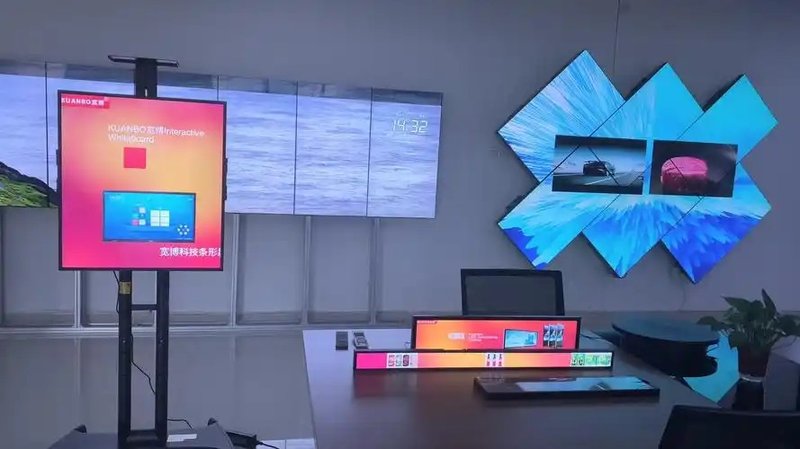
5. Typical Application Scenarios and Future Optimization
In smart retail scenarios, the left side of the square picture-frame display plays brand advertisements while the right side shows real-time rankings of best-selling products and inventory data. In healthcare, the left side can present medication information while the right side monitors waiting-room counts and ward status. Future optimization directions include integrating AI cameras for audience behavior analysis to dynamically adjust ad content, and developing adaptive split-screen algorithms that automatically optimize display parameters based on ambient brightness and content complexity.
Through four major modules — hardware adaptation, data integration, software collaboration, and intelligent management — this solution achieves an organic fusion of advertising delivery and data monitoring on the square picture-frame display. Practice shows that while preserving the artistic display effect, data-driven decision-making can improve operational efficiency by more than 30%, offering an innovative solution for the digital signage industry. In conclusion, adopting a high-performance Square Picture Frame Multi-Zone Display elevates visual merchandising impact, enhances customer engagement, and maximizes commercial display efficiency.
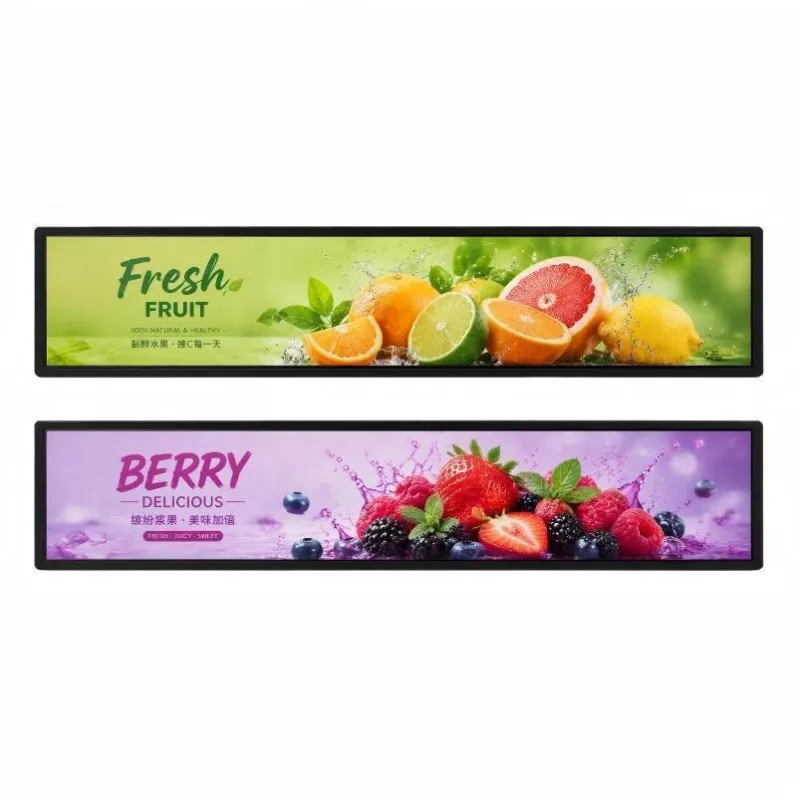
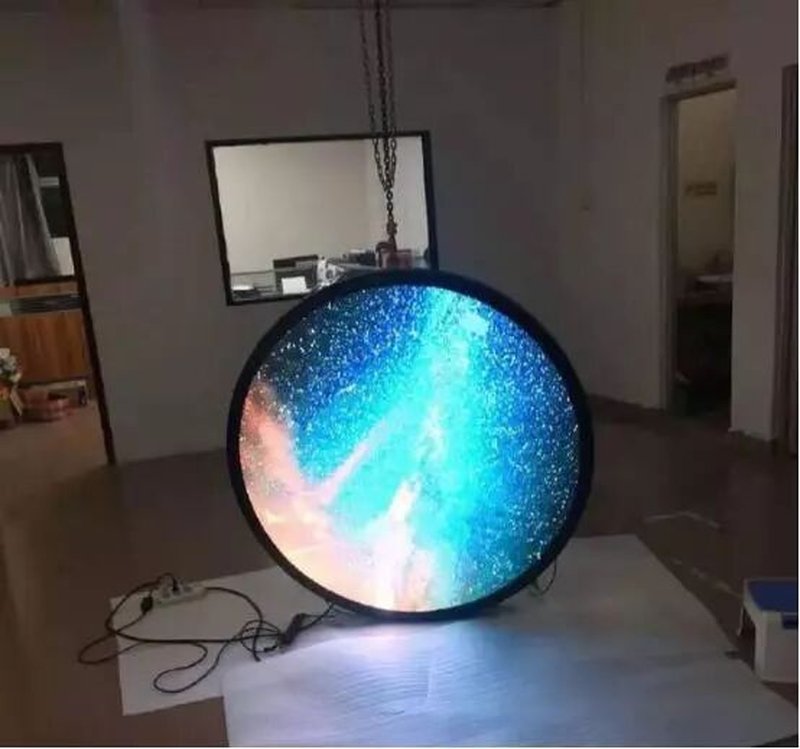
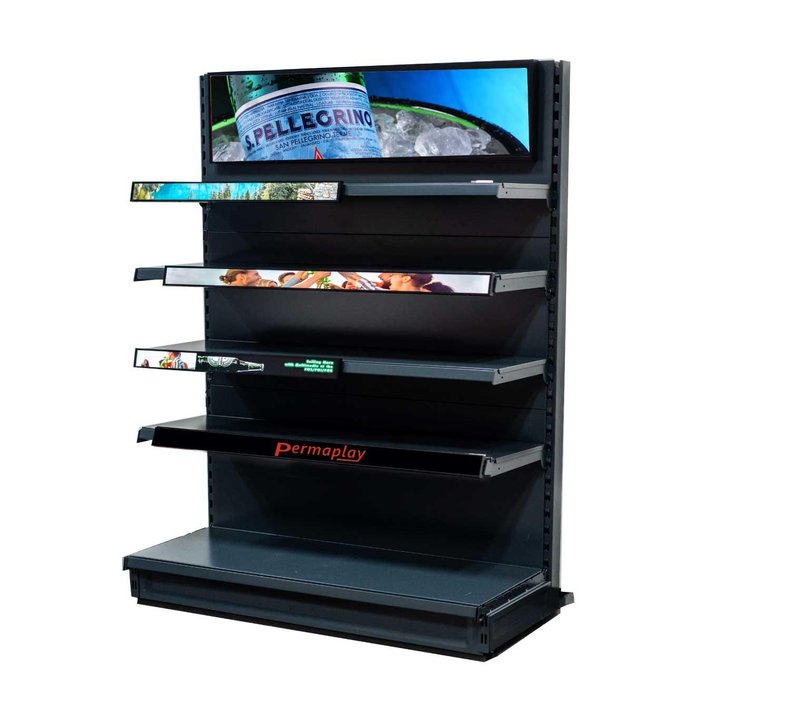
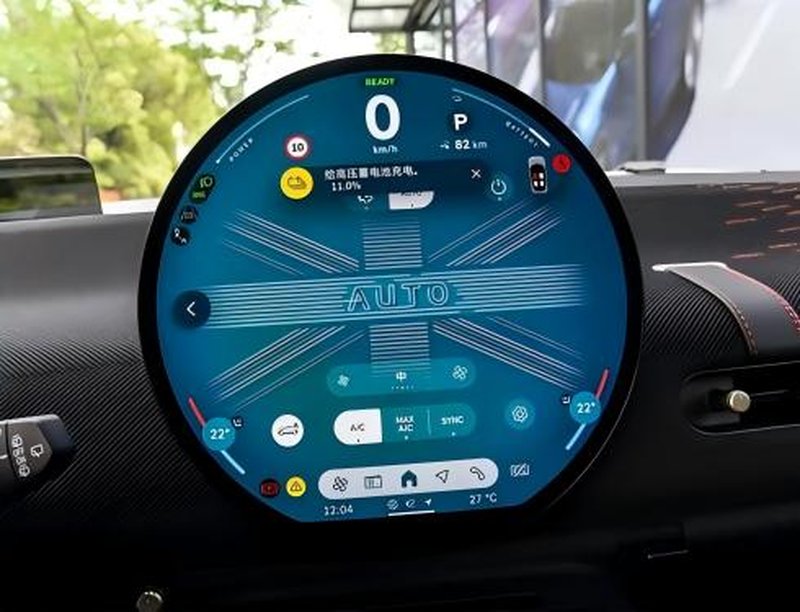
Looking for customized Square Picture Frame Multi-Zone Display solutions, ultra-wide stretched bar LCD displays, or round digital signage hardware? Feel free to contact the ZXTLCD engineering team for technical specifications, product samples, and tailored volume pricing.