Oct 12, 2026Buying Guides
Square LCD Screen Phone Mirroring: Comparing Wireless Casting vs Wired Connectivity
Square LCD screens support wireless and wired phone mirroring for flexible display applications, with wired connections offering better stability.
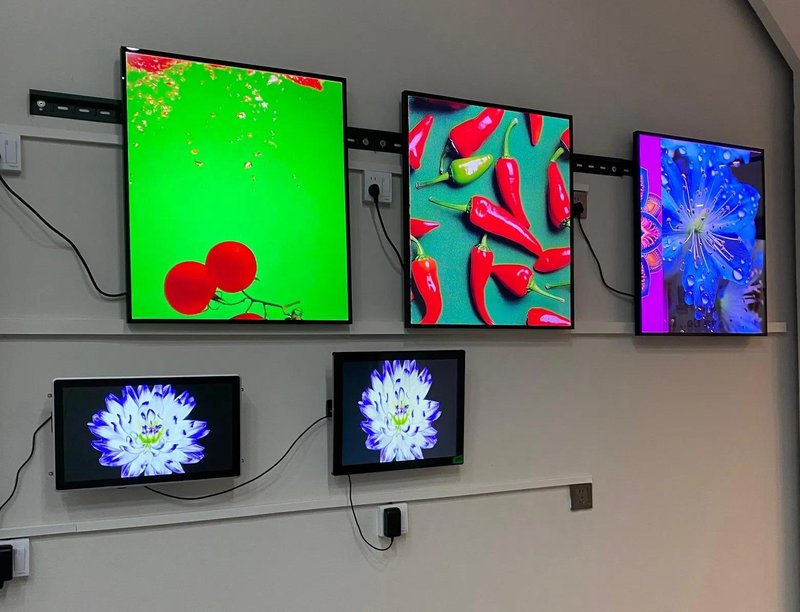
How Do You Connect a Phone to an LCD Square Screen? Wireless vs. Wired Screen Mirroring — Which Is More Stable? with a Square LCD Screen Phone Mirroring
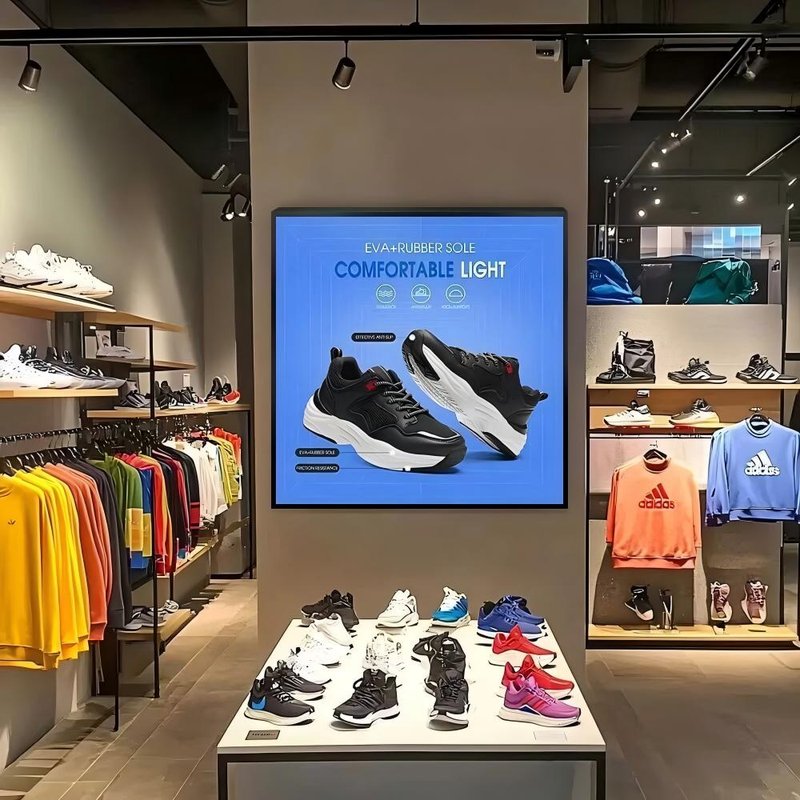
Deploying an advanced Square LCD Screen Phone Mirroring provides commercial venues with a distinct, form-factor-optimized digital signage solution. In the digital age, casting phone content to a larger screen has become a common need, especially in education, meetings, and entertainment. As a high-quality display device, the LCD square screen has become the first choice for many users thanks to its distinctive shape and excellent display quality. So how do you connect a phone to an LCD square screen? And between wireless and wired mirroring, which is more stable? This article answers these questions in detail.
1. Methods for Connecting a Phone to an LCD Square Screen
Wireless mirroring
Wireless mirroring is a connection method that has developed rapidly in recent years. It uses Wi-Fi, Bluetooth, or other wireless technologies to transmit the phone's screen content to the display. To use wireless mirroring, make sure the phone and the display are on the same network, and download the corresponding mirroring software or app.
For example, an LCD square screen may support wireless protocols such as Miracast, AirPlay, or DLNA. Simply open the mirroring function on the phone, select the corresponding display device, and the connection is complete.
Wired mirroring
Wired mirroring connects the phone to the display directly via HDMI, USB, or another wired interface, usually requiring a dedicated adapter cable. For example, if the LCD square screen has an HDMI port, you can use an HDMI-to-USB-C (or Lightning, depending on your phone) adapter cable. Once connected, the phone's screen content is displayed on the screen in real time.
2. Stability Comparison: Wireless vs. Wired Mirroring
Stability of wireless mirroring
The convenience of wireless mirroring lies in eliminating physical connections, but this also poses stability challenges. Wireless signals are susceptible to environmental interference (other wireless devices, obstacles, etc.), so wireless mirroring may suffer from latency, stutter, or disconnections. In addition, its resolution and frame rate may be somewhat limited, affecting display quality.

Stability of wired mirroring
By comparison, wired mirroring has a clear stability advantage. The physical connection ensures continuous, stable data transmission, so it typically offers lower latency, higher resolution and frame rates, and fewer dropouts. Wired mirroring also supports more audio and video formats, delivering a richer playback experience.
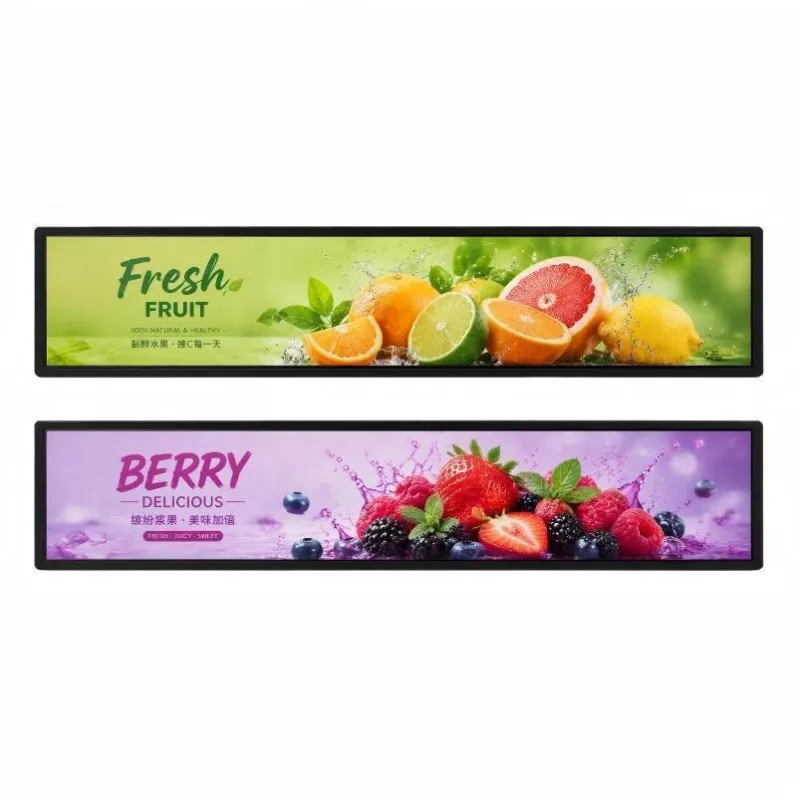
ZXTLCD, the square LCD screen manufacturer, has earned broad market recognition and praise thanks to its superb cutting technology, flexible size customization, and distributed content management software. Whether for commercial applications or personal needs, ZXTLCD can deliver satisfying solutions. In conclusion, adopting a high-performance Square LCD Screen Phone Mirroring elevates visual merchandising impact, enhances customer engagement, and maximizes commercial display efficiency.
Looking for customized Square LCD Screen Phone Mirroring solutions, ultra-wide stretched bar LCD displays, or round digital signage hardware? Feel free to contact the ZXTLCD engineering team for technical specifications, product samples, and tailored volume pricing.